An electrical outlet not working is typically caused by a tripped circuit breaker, a triggered GFCI outlet, or loose internal wiring. Homeowners can often restore power by resetting the breaker or pressing the reset button on the unit; however, physical damage or persistent tripping indicates the need for a professional replacement.
It begins with a simple task like plugging in your morning coffee maker, but when the appliance stays silent, the frustration sets in immediately. A dead electrical outlet is more than a minor inconvenience in a modern home; it is a disruption to your daily routine that often points to underlying circuitry issues. At Keith Electric, we understand that homeowners need clear, practical solutions when their power fails. This guide explores the most frequent causes of outlet failure, ranging from simple tripped breakers to more complex wiring problems. You will learn how to safely troubleshoot a non-responsive outlet, understand why GFCI devices trip, and identify the warning signs that indicate a professional replacement is necessary. By the end of this article, you will have the expert knowledge required to restore power to your home safely and efficiently.
Why Is My Electrical Outlet Not Working? Common Causes
Discovering an electrical outlet not working is a common frustration for homeowners in Carbon County. Before assuming the wiring needs a complete overhaul, it is important to evaluate the most frequent causes. Often, the solution is simpler than it appears, though some scenarios indicate deeper wiring concerns.
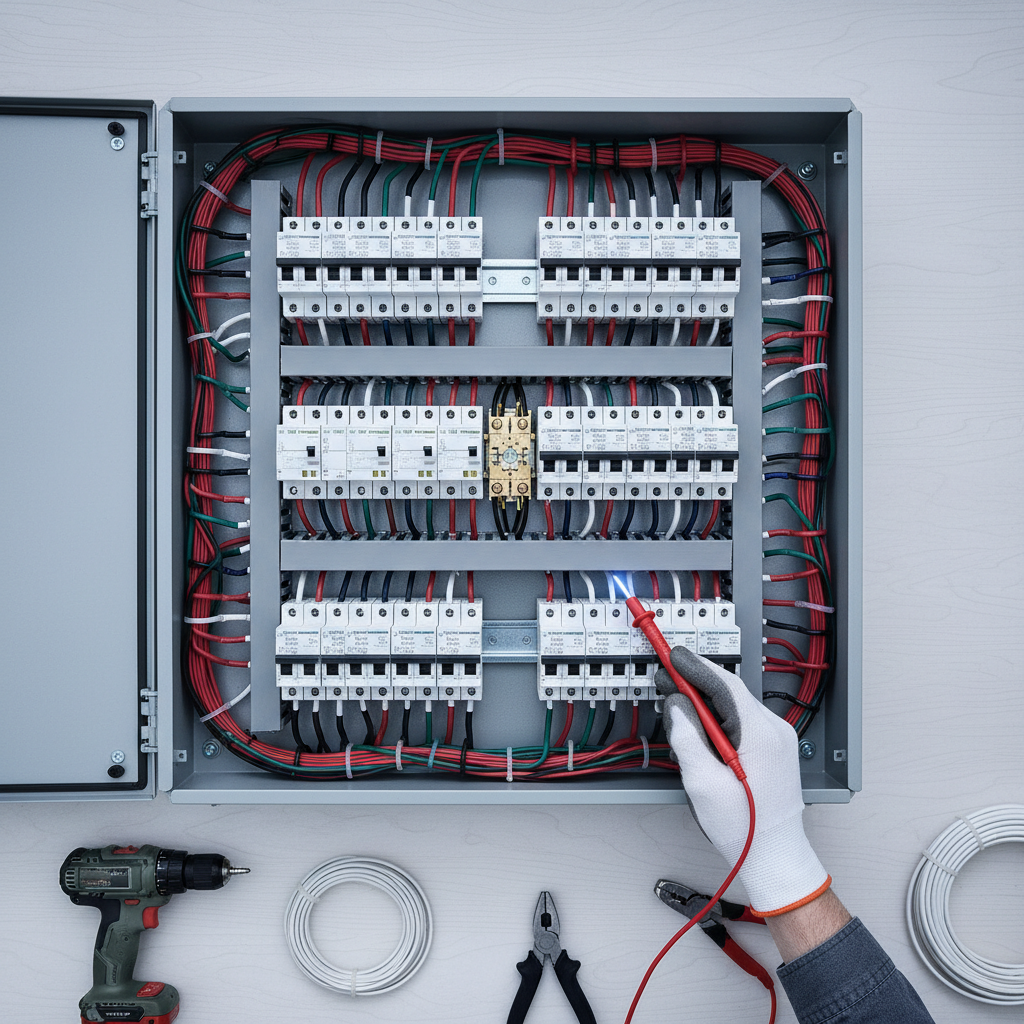
The simplest reason for a dead outlet is a tripped circuit breaker or a blown fuse. If a circuit is overloaded by high-draw appliances, the breaker flips to the center or "off" position to prevent the wires from overheating. If you find that multiple outlets in a single room have lost power simultaneously, check the main electrical panel first. You can find more detail on this in our guide on Why Your Circuit Breaker Keeps Tripping.
Another frequent culprit is a tripped Ground Fault Circuit Interrupter (GFCI). These outlets are designed to cut power instantly if they detect a ground fault, which is common in areas prone to moisture like kitchens, bathrooms, and garages. In many Utah homes, outlets are wired in a series. This means a single tripped GFCI can kill power to all "downstream" outlets on that circuit. If your bathroom outlet is dead, the reset button might actually be located on a GFCI in the garage or a different bathroom.
In many of the older residential properties throughout Carbon County, loose wiring at the terminal screws is a common point of failure. Over decades, the constant thermal expansion and contraction of wires can cause the screws holding them in place to loosen. This creates an intermittent or total loss of connection. If only one outlet in a room is failing while others remain functional, it often points to a loose connection at that specific box or a failure of the outlet hardware itself. For persistent issues that involve multiple rooms, contact Keith Electric to perform a professional diagnostic, as this often indicates a circuit-wide problem that requires expert attention.
Troubleshooting a Dead Outlet: Safe Steps for Homeowners
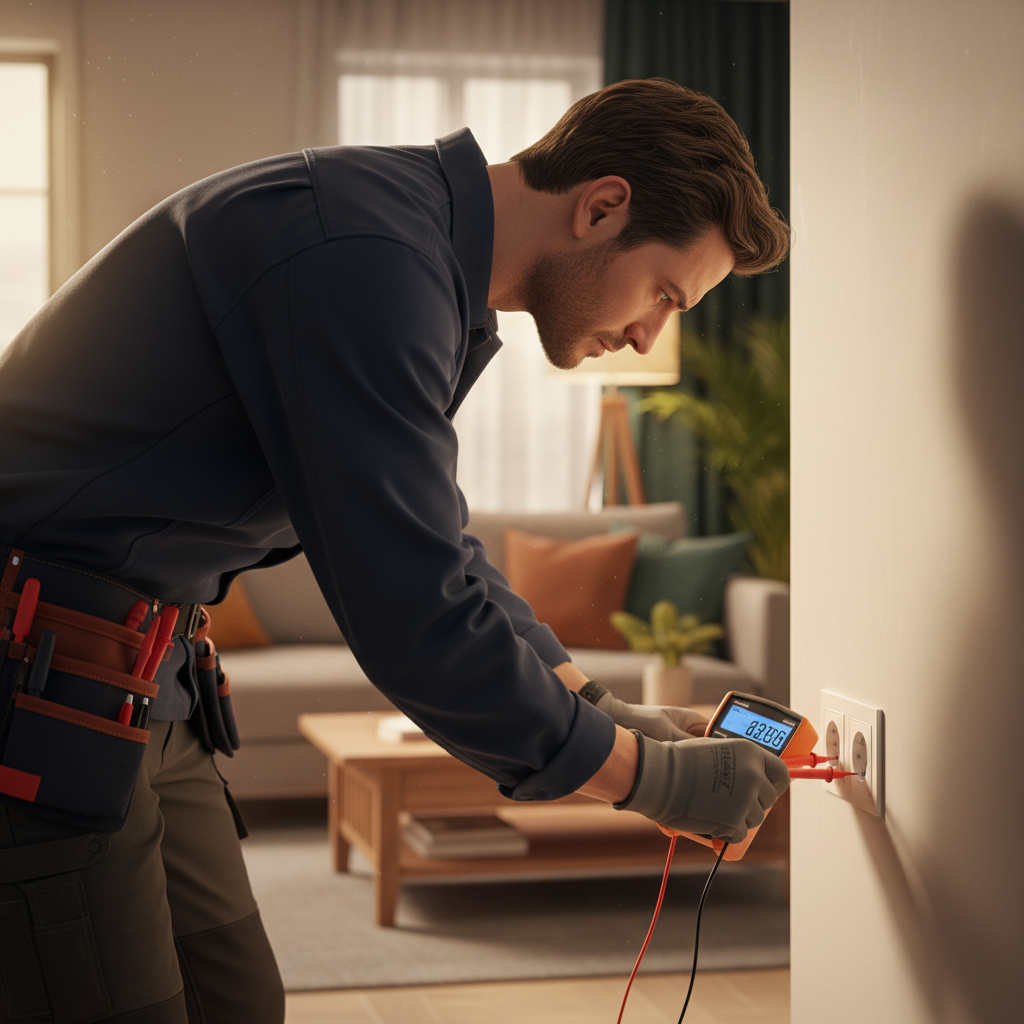
If you discover an electrical outlet not working, follow a systematic process to identify the fault before calling for professional electrical services. Safety is the priority in any electrical diagnostic. By following these practical steps, you can often resolve simple issues or provide more detailed information to a technician.
Rule out appliance failure. Start by unplugging the device you were trying to use and testing it in a different outlet that you know is functional, preferably in another room. If the lamp or appliance works elsewhere, the issue is definitely with the outlet or the specific circuit.
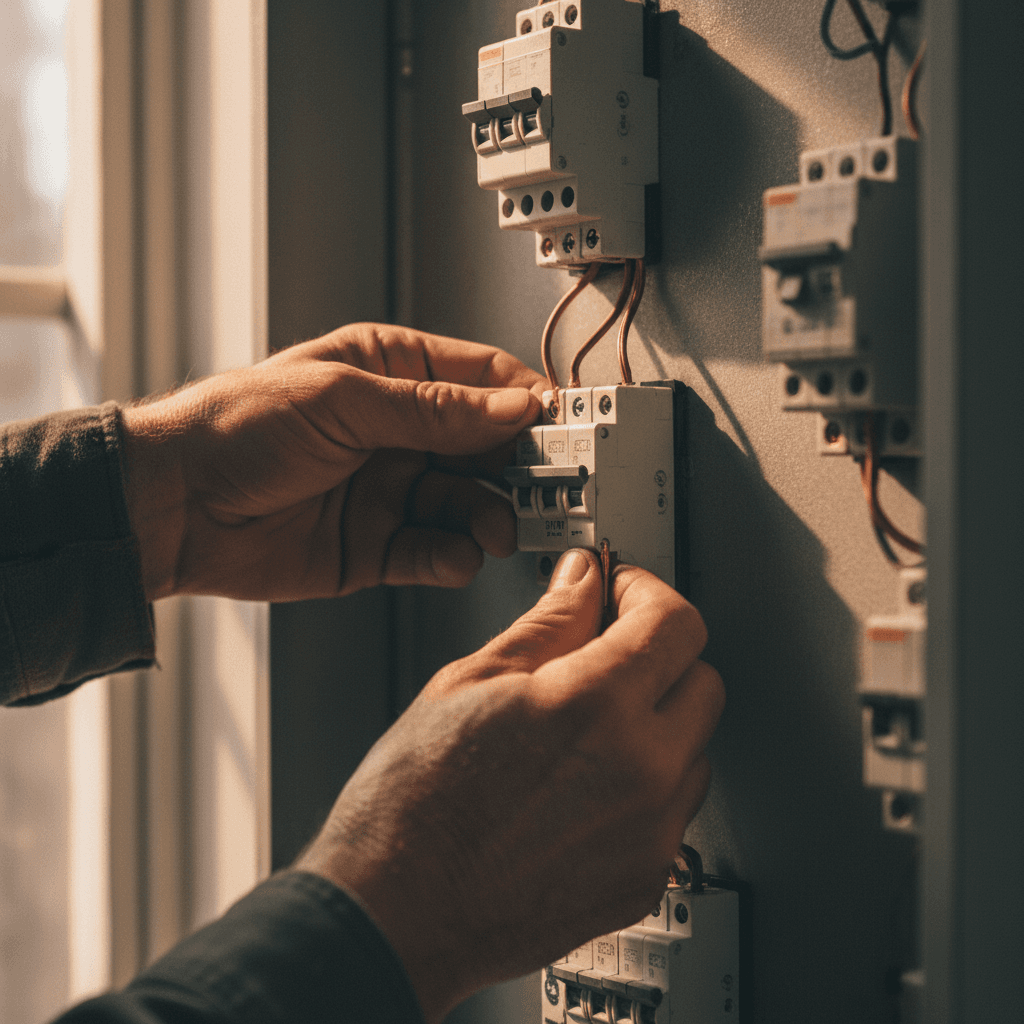
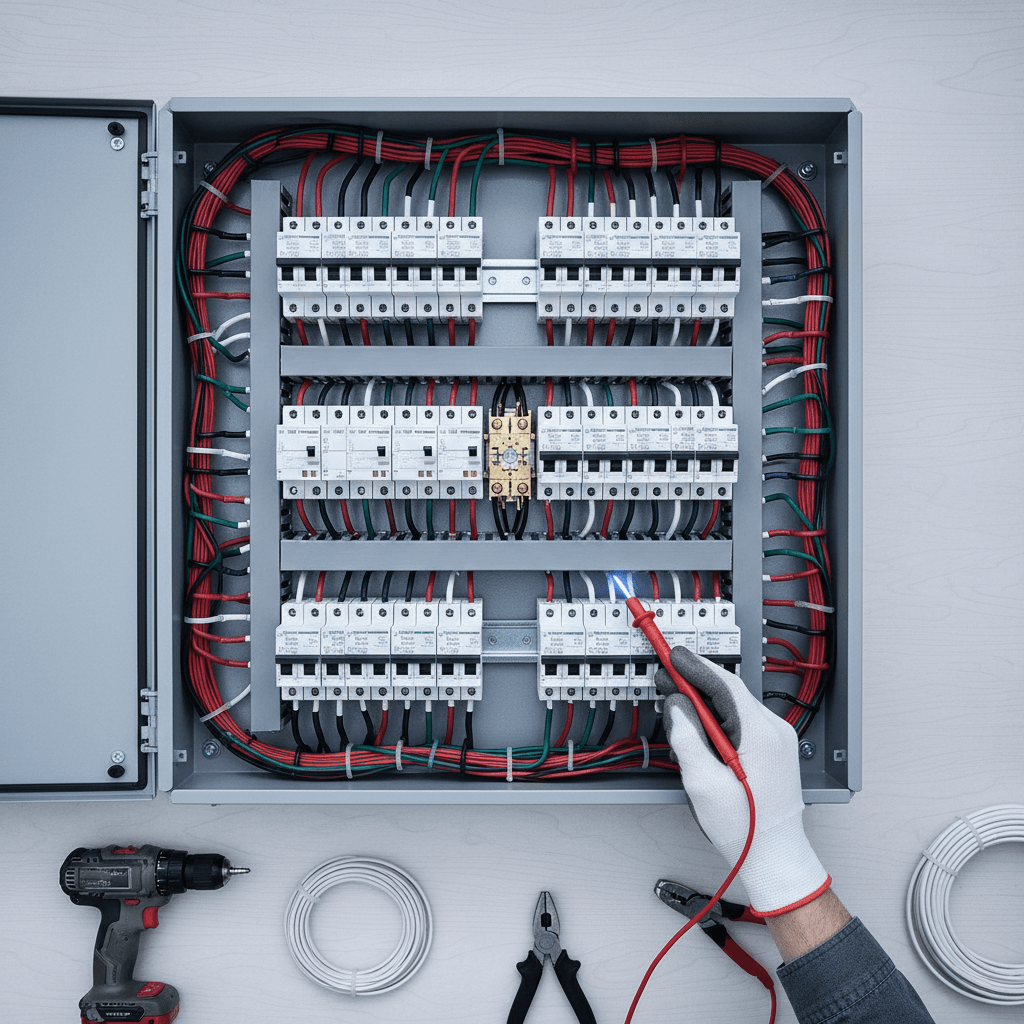
Inspect the electrical panel. Locate your main service panel and look for a breaker that is not aligned with the others. When a breaker trips, it often lands in a middle position rather than moving fully to the "off" side. To reset it, you must push the switch firmly to the "off" position until you hear or feel a distinct click, and then flip it back to "on."
Reset all local GFCI outlets. In many Carbon County homes, outlets are wired in a series for safety. If a bathroom, kitchen, or outdoor outlet is dead, look for a GFCI outlet (the one with "Test" and "Reset" buttons) nearby. Even if that specific GFCI is working, it may be protecting other outlets down the line. Press the "Reset" button firmly. If it clicks and stays in, check your dead outlet again.
Use a plug-in circuit tester. If you have a basic three-prong outlet tester, plug it in to see which lights illuminate. These tools can tell you if the outlet has power, if the neutral wire is open, or if the outlet is ungrounded. This data is extremely helpful for troubleshooting.
While these steps are safe for homeowners, you should never attempt to remove the faceplate, pull the outlet out of the junction box, or touch exposed terminal screws or wires. If the basic reset steps do not restore power, the issue likely involves a failed component or a loose connection behind the wall. In these cases, contact Keith Electric to ensure the repair is handled safely and remains compliant with local building codes. Attempting to handle internal wiring without proper training poses a significant risk of shock or fire.
The Mystery of the Outlet That Has Power But Does Not Work
One of the most confusing scenarios for a homeowner is finding an electrical outlet not working even when a non-contact voltage tester indicates the box is live. This situation usually points to an "open neutral" or a high-resistance connection. For a circuit to function, electricity must travel from the panel through the hot wire and return via the neutral wire. If the neutral wire is loose, corroded, or broken, the return path is interrupted, and the device will not stay powered.
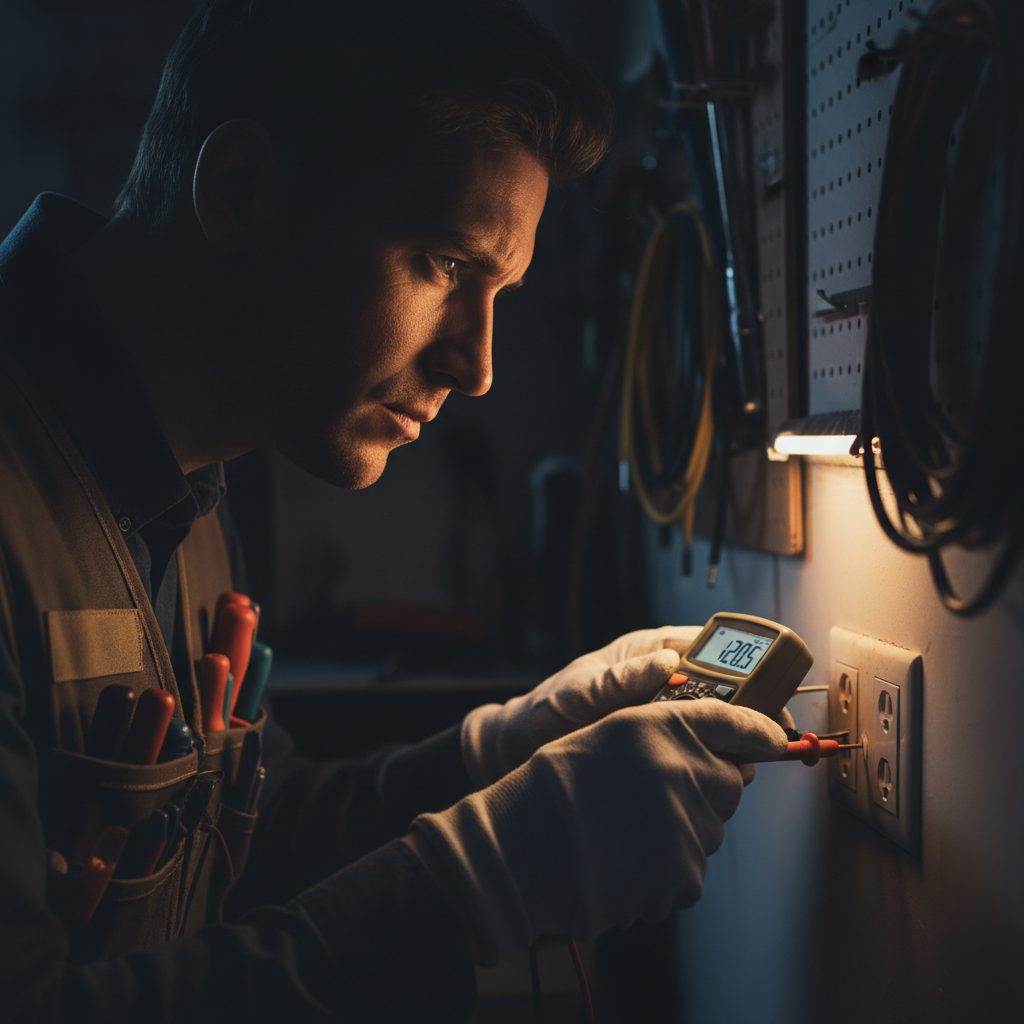
A professional multimeter might still show a reading of 120V because it detects the potential energy present at the outlet. However, this is often a misleading reading. The moment you plug in a device, the load requires actual current to flow. Because the connection is physically weak or barely touching, it cannot sustain the flow of electricity, causing the voltage to drop to zero the instant a load is applied.
This condition is a significant fire hazard. When a wire is loose but still touching its terminal, electricity can jump the gap, a process known as arcing. Arcing generates intense heat that can melt plastic components and ignite nearby building materials. If your outlet shows power but fails to run appliances, you need professional electrical services to locate the fault. Because these issues often hide behind walls or inside junction boxes, you should contact Keith Electric to perform a diagnostic and secure the circuit before a fire occurs.
Warning Signs Your Outlet Needs Immediate Replacement
Recognizing the difference between a minor nuisance and a hazardous situation is critical for protecting your property. When an electrical outlet not working correctly begins to show physical symptoms, the situation has shifted from a convenience issue to a potential fire hazard. You should monitor for specific red flags that indicate internal components are failing.
Immediate replacement is necessary if you notice any of the following:
Discoloration: Look for brown or black scorch marks on the faceplate or the surrounding wall. This is a primary sign of extreme heat and active arcing inside the junction box.
Unusual Smells: A faint scent of ozone, melting plastic, or sulfur near the wall is a clear indication that wire insulation is burning.
Audible Warnings: If you hear popping, sizzling, or buzzing sounds when a device is plugged in, electricity is jumping across gaps in a loose connection.
Heat: Outlets should never feel warm. If a faceplate is hot to the touch, the internal wiring is likely overheating due to high resistance or an overloaded circuit.
Physical wear also dictates the need for new hardware. If plugs fall out easily or feel loose when inserted, the internal metal contacts have lost their tension. This mechanical failure prevents a secure electrical connection and generates heat. Similarly, cracked faceplates can expose live components to dust and moisture, which is especially dangerous in high-humidity areas of a home.
These symptoms are evidence of electrical arcing, which remains a leading cause of residential structure fires in the United States. Intermittent issues, such as a device that only works when the cord is wiggled, are often dismissed as minor quirks; however, they represent a cycle of heating and cooling that progressively weakens the copper wire. If you observe these warning signs, stop using the outlet immediately and contact Keith Electric to secure your home with professional electrical services.
Why GFCI Outlets Keep Tripping and What to Do
While scorch marks are obvious indicators of failure, a gfci outlet keeps tripping is often a more subtle sign of trouble. These devices are highly sensitive, designed to cut power if they detect even a tiny imbalance in electrical flow, which protects you from fatal shocks. If your outlet trips frequently, start by unplugging all devices on that circuit. A faulty toaster or a damp power tool is often the source of the ground fault rather than the outlet itself.
If the outlet continues to trip with nothing plugged in, moisture intrusion is a likely culprit, especially in Carbon County outdoor outlets or damp basements. The 2026 NEC (National Electrical Code) has expanded requirements for GFCI protection in these specific areas to improve residential safety. In older Utah homes, a GFCI device that is over ten years old may simply be worn out and unable to maintain its internal circuitry, leading to nuisance tripping.
Persistent tripping should never be bypassed or ignored. It indicates either a dangerous leakage of current or a failed safety component. If troubleshooting the connected appliances does not solve the problem, you need professional electrical services to test for moisture damage or insulation breakdown. You can contact Keith Electric to ensure your home remains compliant with the latest safety codes and that all protection devices are functioning correctly.
The Cost to Replace an Electrical Outlet in Carbon County
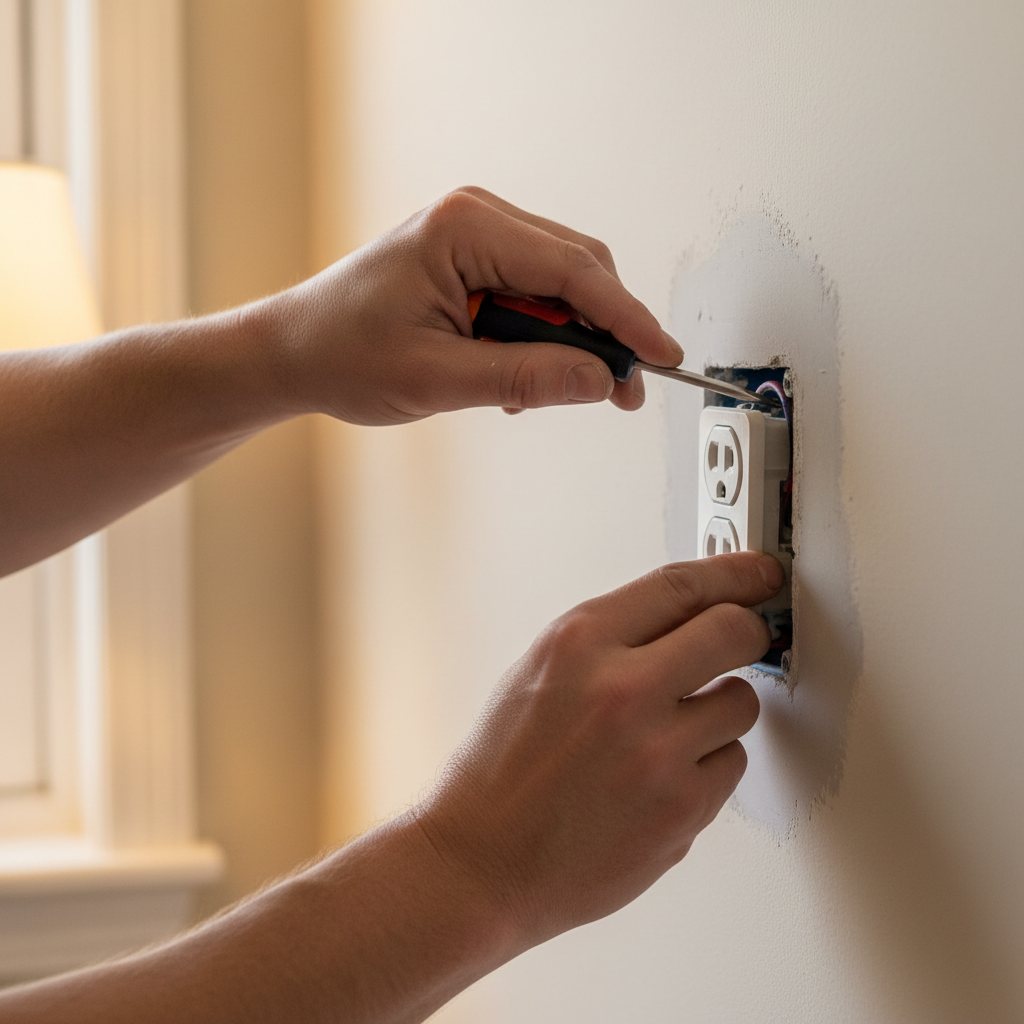
After identifying an electrical outlet not working, the focus shifts to the cost of a permanent fix. In Carbon County, homeowners can generally expect to pay between $65 and $150 for a standard outlet replacement. This range typically covers a professional service call and basic hardware. However, several variables can influence the final investment.
If a technician discovers brittle, heat-damaged insulation or loose connections that have compromised the copper wire, the repair becomes more involved. Furthermore, if an older home requires an upgrade to a GFCI or AFCI outlet to meet current Utah building codes, material costs will increase. These safety upgrades are often mandatory in areas like kitchens, bathrooms, and laundry rooms to ensure the property remains compliant and insurable.
Investing in professional electrical services provides more than just a functioning plug. You receive documentation that the work was performed by a licensed technician according to code, which is vital for property disclosures and insurance records. If you are dealing with multiple failed units or suspect deeper wiring issues, contact Keith Electric for a detailed assessment. Paying for a professional repair ensures the job is done correctly, avoiding the long-term risks associated with DIY errors or ignored code violations.
Understanding why an outlet failed is the first step toward a safer home, but complex electrical work is often best left to the professionals. While basic troubleshooting can solve minor issues, some repairs require specialized tools and knowledge to perform correctly. If you want expert help with your home projects, our team is here to provide reliable solutions. You can learn more about our mission and history on our About page. We are dedicated to keeping your electrical systems running smoothly and safely.