A circuit breaker keeps tripping because it is protecting your home from an electrical overload, a short circuit, or a ground fault. These safety mechanisms activate when the electrical current exceeds the circuit capacity or when a wire malfunctions; identifying and removing the faulty appliance or reducing the load usually resolves the issue.
There is nothing more disruptive than a circuit breaker that refuses to stay engaged while you are simply trying to navigate your daily routine. Whether you are running the dishwasher or finishing a project on your computer, a sudden loss of power is a clear signal that your electrical system is under stress. While it may seem like a minor annoyance, a frequent trip is actually a vital safety warning that requires your immediate attention to prevent potential fire hazards or equipment damage. In this guide, Keith Electric will break down the most common culprits, from simple circuit overloads to complex ground faults. We will also explore how external factors like weather impact your panel and help you determine exactly when it is time to put down the flashlight and call in a licensed professional.
Understanding Why Your Circuit Breaker Trips
It is frustrating when your power suddenly cuts out while you are in the middle of a task, but if your circuit breaker keeps tripping, it is important to remember that the device is actually working exactly as intended. Think of your breaker panel as a collection of pressure relief valves. Just as a valve prevents a tank from bursting under too much stress, a breaker cuts the flow of electricity when it detects a dangerous condition that could lead to wire damage or a house fire.
A tripping breaker is doing its job to protect your Carbon County home from four main culprits: - Circuit overloads - Short circuits - Ground faults - Equipment failure
The heat generated by excessive current can melt wire insulation and ignite nearby building materials. When a breaker flips to the "off" or "tripped" position, it is a safety response designed to prevent catastrophe. While it may seem like an inconvenience, this mechanism is your home’s primary defense against electrical hazards. If you notice persistent issues, you should contact our licensed electricians to ensure your system is operating within safe parameters. Understanding these triggers is the first step toward maintaining a reliable electrical system that meets modern safety standards.
Reason 1: Circuit Overload (The Most Common Culprit)
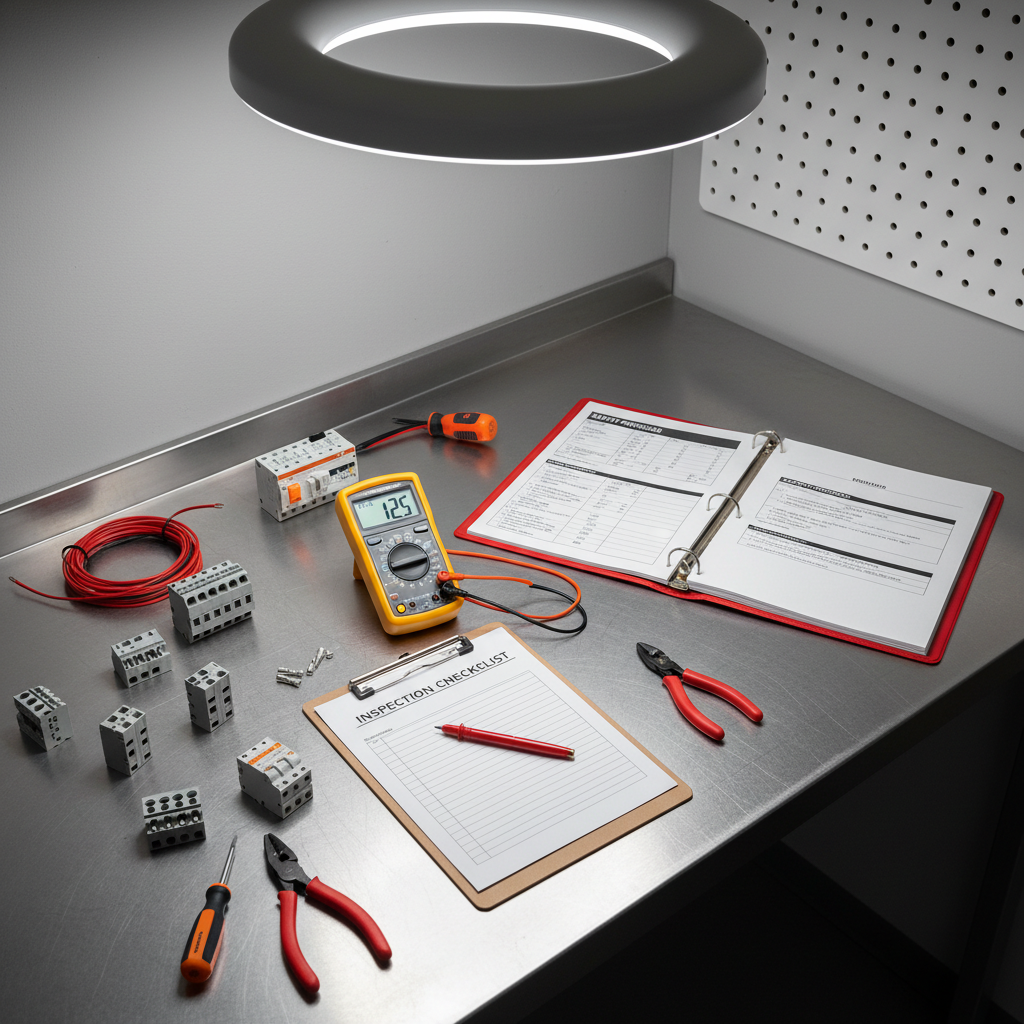
An electrical overload occurs when you attempt to draw more amperage than the circuit’s wiring is rated to handle. Every circuit in your home has a specific capacity, typically 15 or 20 amps. When the total demand from plugged-in devices exceeds that limit, the circuit heats up, triggering the breaker to cut power before the wire insulation can melt or ignite. In Carbon County, this frequently happens during our cold Utah winters. For example, running a high-wattage space heater and a vacuum cleaner on the same bedroom circuit can easily exceed the 2,400-watt limit of a standard 20-amp line.
If your circuit breaker keeps tripping in a specific area of your home, you can perform a simple diagnostic to confirm an overload is the cause:
Unplug every device, appliance, and lamp currently connected to the affected circuit.
Locate your electrical panel and reset the breaker by switching it fully to the off position and then back to the on position.
Return to the room and plug your devices back in one at a time.
Turn each device on, starting with the highest-wattage items first.
If the power cuts out immediately after you turn on a specific high-wattage appliance, you have likely identified a circuit overload. This indicates that your current wiring cannot support the simultaneous use of those devices. While moving a heater to a different circuit may provide a temporary fix, persistent overloads often indicate that your home requires an electrical panel upgrade to safely manage modern electrical demands.
Reason 2: Short Circuits and Ground Faults
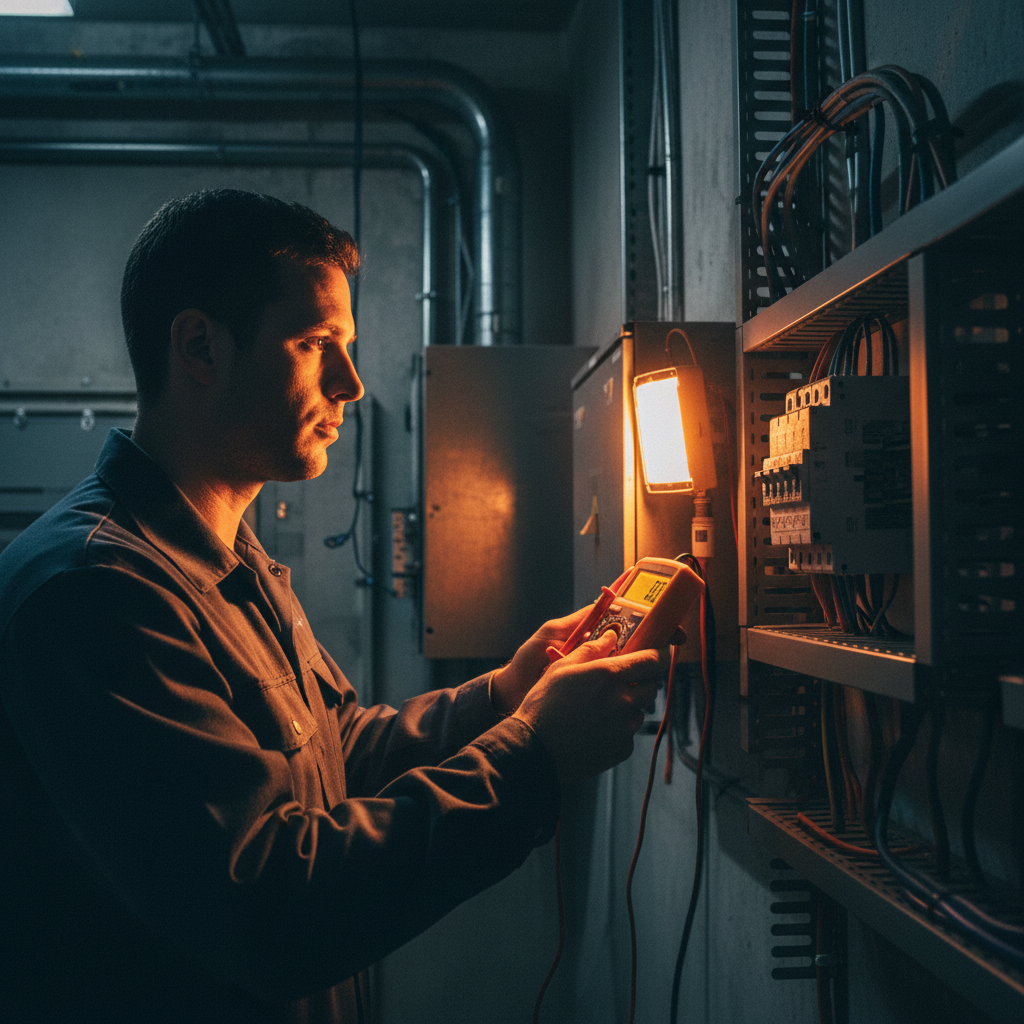
While an overload happens gradually as heat builds up, short circuits and ground faults represent a more immediate threat to your home. A short circuit occurs when a "hot" wire makes direct contact with a "neutral" wire. This creates a path of least resistance, allowing a sudden, massive surge of current to rush through the circuit. A ground fault is similar but occurs when the hot wire touches the bare copper ground wire or a grounded metal electrical box. Both scenarios are significantly more dangerous than a simple overload because the current spike is intense enough to cause electrical arcing, which can ignite nearby materials instantly.
If your circuit breaker keeps tripping the moment you flip the switch back to the on position, you are likely dealing with one of these two issues. This immediate reaction is a critical safety feature; the breaker detects a direct fault and shuts down to prevent an explosion or fire. Because these faults involve damaged internal components, you should inspect your outlets and appliances for visible warning signs. Look for black singe marks or soot around the outlet faceplate. A persistent smell of burning plastic or ozone is also a major red flag that an electrical arc has occurred.
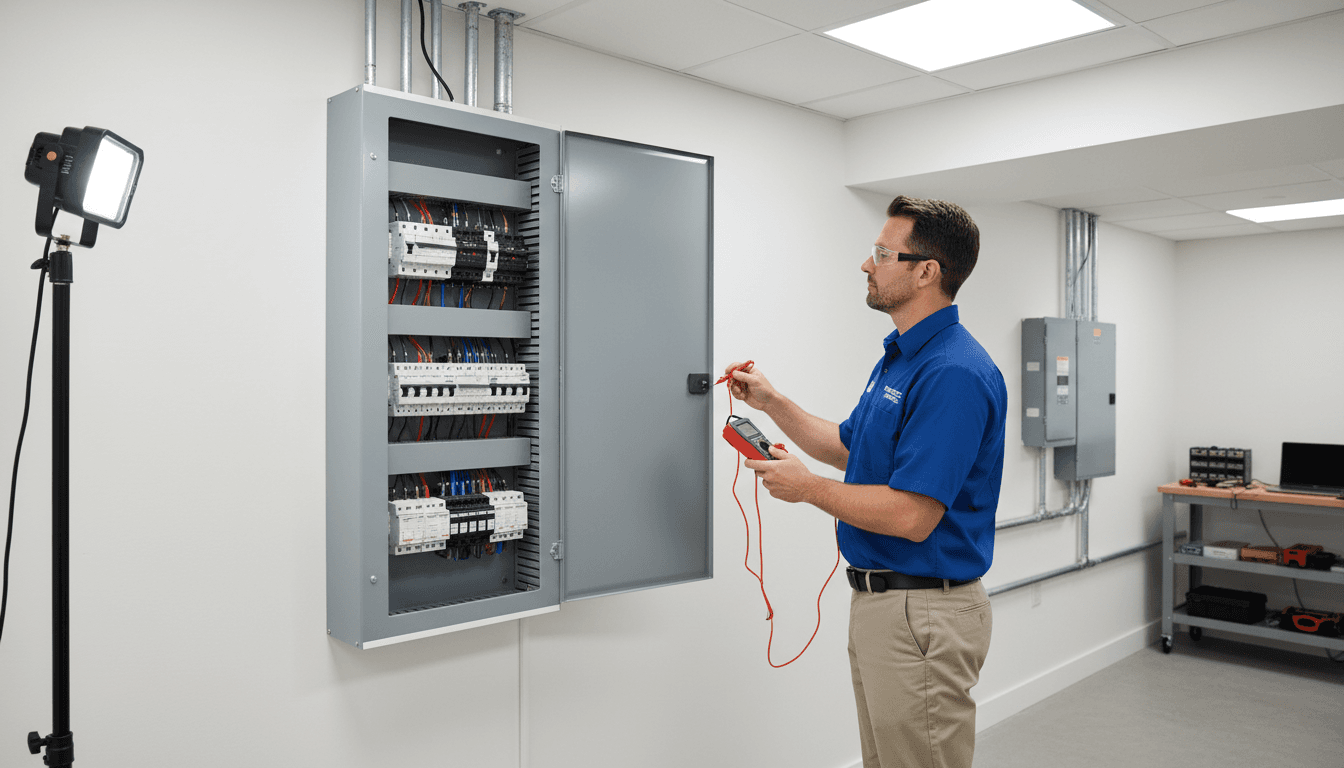
If you notice these signs, do not attempt to reset the breaker again. These faults often indicate compromised wiring deep within the walls or a catastrophic failure inside an appliance. In these cases, you need professional electrical services to locate the exact point of the fault. A licensed electrician uses specialized multimeters to test for continuity and insulation resistance, ensuring the underlying hazard is resolved before power is restored to that section of your home.
Why Does My Circuit Breaker Keep Tripping With Nothing Plugged In?
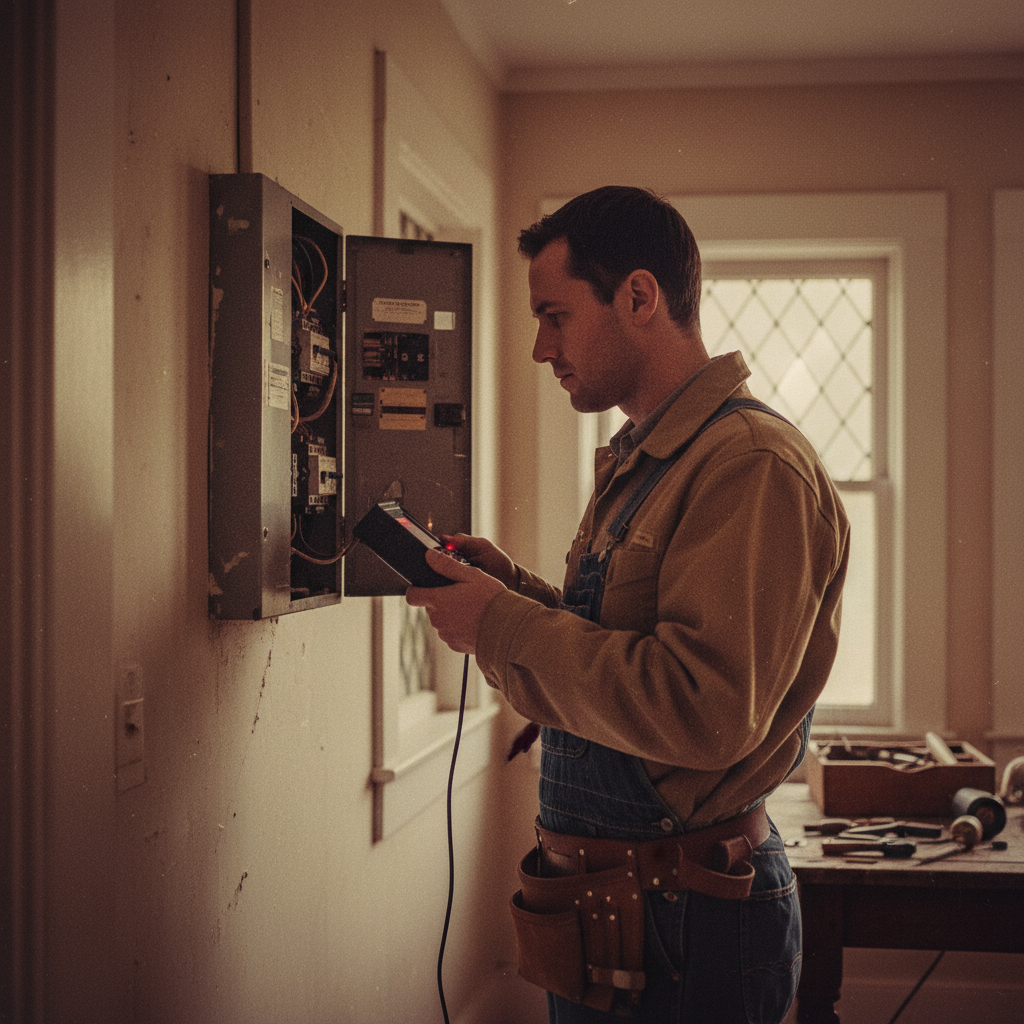
If your circuit breaker keeps tripping even after you have cleared the room of all portable electronics, the problem is likely hidden within your home's infrastructure. When there are no visible appliances drawing power, the fault usually originates behind the walls or within hardwired components.
One common issue in Carbon County homes, particularly those near open fields or older structures in Price and Helper, is damaged wire insulation caused by rodents. Mice and squirrels can chew through the protective plastic coating on Romex wiring, creating an intermittent short circuit that triggers the breaker without warning. Additionally, you must consider phantom loads from hardwired equipment. Devices like smoke detectors, HVAC thermostats, and even doorbell transformers are directly connected to your electrical system. A malfunction in one of these units can trip the breaker just as easily as a faulty toaster.
If these are not the culprit, you may be dealing with a failing breaker or a degraded outlet that has developed internal arcing. Because these issues involve live voltage inside junction boxes or the main panel, identifying the exact failure point requires specialized equipment. Diagnosing a faulty circuit requires professional electrical services to perform insulation resistance testing and circuit tracing. Using a standard multimeter alone often is not enough to pinpoint a hairline fracture in a wire or a failing mechanical component inside the breaker itself.
The Impact of Weather: Why Breakers Trip When It Rains
Environmental factors play a significant role in electrical stability, particularly during heavy spring runoff or the intense summer storms common in Carbon County. Moisture is highly conductive, and when it infiltrates your electrical system, it creates an unintended path for electricity to reach the ground. If your circuit breaker keeps tripping every time it rains, the issue is often located in outdoor components like porch light fixtures, receptacles with damaged weather-proof covers, or even the main service mast where utility lines enter the structure.
Ground Fault Circuit Interrupter (GFCI) outlets are specifically designed to monitor these conditions. They detect even minute fluctuations in current caused by moisture and shut off power to prevent electric shock. During a downpour, water can seep into an outdoor junction box or travel down a frayed service entrance cable, causing an immediate trip. If your external circuits fail during wet weather, you likely need professional electrical services to inspect seals, replace worn gaskets, and ensure all outdoor enclosures meet current weather-resistance codes.
How Many Times Can a Breaker Trip Before It Breaks?
While moisture induced trips often resolve once components dry out, you cannot ignore the cumulative damage to the hardware itself. A standard circuit breaker is not designed for infinite resets. Although these devices are rated for thousands of mechanical cycles, their ability to trip safely during a fault is significantly reduced every time they are forced to act.
Inside the casing, a bimetallic strip reacts to heat from overloads, while an electromagnet handles the rapid surges of short circuits. Each time your circuit breaker keeps tripping, these internal components experience mechanical stress and electrical arcing. High current trips, such as those caused by a direct short circuit, are particularly damaging because the intense heat can pit or weld the internal contacts.
If a breaker has tripped three or four times in a short window, the internal calibration may have shifted. A compromised breaker might begin to trip under normal loads or, more dangerously, fail to trip at all during a real emergency. Replacing a worn unit is a standard part of professional electrical services to ensure your home remains protected by hardware that meets its original safety specifications.
Safety First: When to Stop DIY and Call Keith Electric
Troubleshooting has its limits. If your circuit breaker keeps tripping despite basic checks, pushing further can lead to severe injury or electrical fires. You must stop immediately and call for professional electrical services if you encounter specific "Red Alert" symptoms at your panel. These indicators suggest active electrical arcing or catastrophic component failure.
Watch for these critical warning signs: - The surface of the breaker panel or individual switches feel hot to the touch. - A persistent buzzing, hissing, or crackling sound originates from the panel enclosure. - You detect a sharp, metallic smell of ozone or the scent of burning plastic. - There is visible smoke or discoloration on the panel door or breakers.
Carbon County homes, especially older residences in Price and Helper, often feature legacy wiring systems that do not meet modern load requirements. Our team understands these specific infrastructure challenges and ensures that every repair or electrical panel upgrade brings your property into full compliance with current safety codes. Attempting to force a faulty breaker to stay on can bypass critical safety mechanisms. Instead, contact our licensed electricians to perform a thermal inspection and safely restore power to your property.