GFCI outlet requirements 2026 NEC mandate protection for all outlets rated 60 amperes or less in high-risk areas including kitchens, bathrooms, and garages. These updated safety standards now extend to HVAC equipment and must be fully implemented by the September 1, 2026, effective date. This expansion aims to enhance homeowner safety by preventing electrical shocks and ground faults in both indoor and outdoor spaces.
Navigating the evolving landscape of the National Electrical Code often feels like chasing a moving target for Carbon County homeowners. With the 2026 NEC updates looming, many residents are concerned about whether their current systems meet the latest safety standards or if they face costly mandatory upgrades. These changes are more than mere bureaucratic adjustments; they represent a significant shift in how we protect high amperage appliances and HVAC systems from ground fault hazards. At Keith Electric, we believe that understanding these requirements is the first step toward a safer home. In this guide, we will examine the expanded mandates for GFCI protection, explore the specific impacts on older local properties, and clarify the distinction between GFCI and AFCI technology. You will gain a clear roadmap for ensuring your home remains compliant, functional, and, most importantly, secure for your family.
Understanding the 2026 National Electrical Code Update
The National Electrical Code (NEC) serves as the definitive benchmark for electrical safety, design, and installation across the United States. Revised every three years by the National Fire Protection Association, the code evolves to address emerging technology and recurring safety hazards. The upcoming 2026 cycle introduces some of the most rigorous shifts in recent years, particularly concerning GFCI outlet requirements 2026 NEC. While the code provides the framework for all residential electrical services, the updates arriving on September 1, 2026, specifically eliminate several long-standing exceptions for high-amperage equipment.
In Carbon County, these updates are particularly relevant due to our diverse housing stock. Residents in Price, Helper, and Wellington often live in homes ranging from early 20th-century miners' cottages to modern suburban developments. Older electrical systems frequently lack the specialized protection necessary to prevent electrocution or house fires caused by modern appliance loads. These code requirements are not merely suggestions; they are evidence-based standards designed to shut off power instantly when a ground fault occurs. Adhering to the latest NEC standards ensures that your property remains protected as electrical demands increase. As we approach the 2026 implementation dates, understanding how these changes affect your specific property is the first step in maintaining a reliable and code-compliant system.
Key Changes for 2026: HVAC and High Amperage Protection
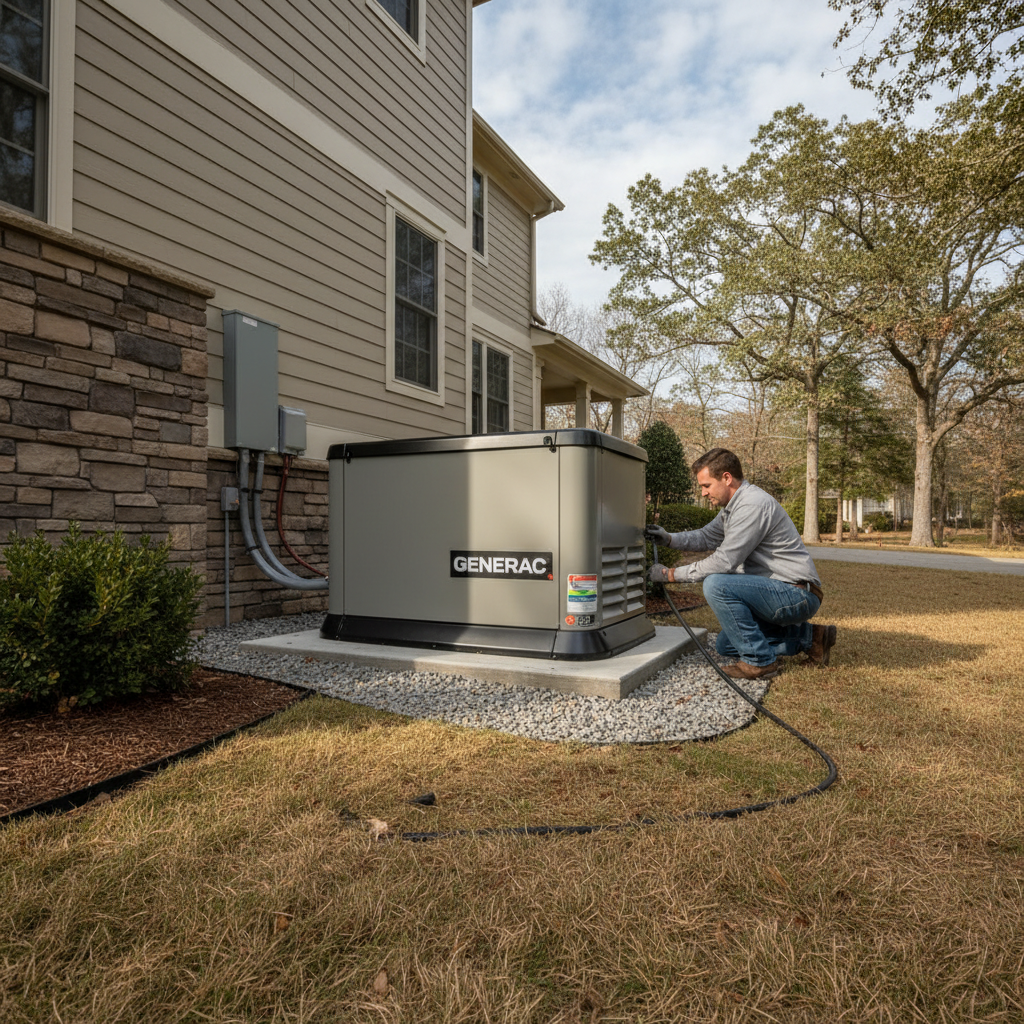
The most impactful update within the 2026 NEC involves high amperage outdoor equipment. Historically, GFCI requirements focused primarily on 125 volt, 15 and 20 ampere circuits. However, the 2026 code expands this protection to outdoor outlets and hard wired equipment rated up to 60 amperes. This shift includes air conditioning condensers, heat pumps, and pool motors that were previously exempt from ground fault requirements due to their higher voltage or amperage. For property managers in Price or Wellington, this means that a standard AC replacement after September 1, 2026, will require a compatible GFCI protected circuit to meet local building inspections.
A primary reason for the delay in these requirements was the issue of nuisance tripping. Modern HVAC units often utilize variable speed compressors and inverters that generate high frequency leakage current. In the past, standard GFCI breakers would frequently detect this leakage and shut down the unit even if no actual safety hazard existed. To address this technical hurdle, industry research led to the development of GFCI-HF (High Frequency) technology. These new devices are engineered to ignore the specific electronic noise produced by modern compressors while still providing life saving protection against actual ground faults.
Incorporating these standards is essential for anyone planning significant upgrades or new construction. If you are preparing for a system overhaul, you should contact a Carbon County electrician to evaluate your current service panel. Older panels may not have the physical space or the specific bus bar compatibility for these newer, larger GFCI-HF breakers. Ensuring your system is ready for the GFCI outlet requirements 2026 NEC before the deadline prevents costly delays during the installation of high efficiency cooling systems. Providing dependable electrical repairs requires staying ahead of these technical shifts to ensure every component, from the thermostat to the outdoor disconnect, operates safely and legally.
Where Are GFCI Outlets Required in 2026?
The shift toward comprehensive protection ensures that nearly every area exposed to moisture or utility use is covered by modern safety standards. The GFCI outlet requirements 2026 NEC mandate protection in the following locations:
Kitchens: This includes all countertop surfaces, but the 2026 code expands to include adjacent areas like pantries, wine bars, and breakfast nooks where small appliances are frequently used.
Bathrooms: Every 125 volt receptacle in a bathroom requires protection, regardless of its proximity to the sink.
Garages and Accessory Buildings: All outlets in garages, work sheds, or detached storage buildings must comply.
Outdoors: The standard now includes equipment up to 60 amperes, covering everything from patio outlets to hot tub circuits.
Crawl Spaces and Unfinished Basements: These areas often have high humidity or damp floors, making ground fault protection vital for anyone performing maintenance.
Laundry Areas: Any receptacle serving washing machines or located within laundry rooms must be protected.
Proximity to Water: Any outlet within six feet of the top inside edge of a sink bowl, including those in wet bars or mudrooms.
In the 1970s, many homes in Carbon County were built with only one or two protected circuits, usually limited to the bathroom or a single exterior outlet. Today, a modern residential electrical services installation provides a safety net across the entire footprint of the home. This saturation of protection significantly reduces the risk of accidental electrocution in areas where electricity and water might interact. If your home still relies on original era wiring, you should contact a Carbon County electrician to map out these zones and ensure your family is properly protected under the current code.
The Challenge for Older Carbon County Homes
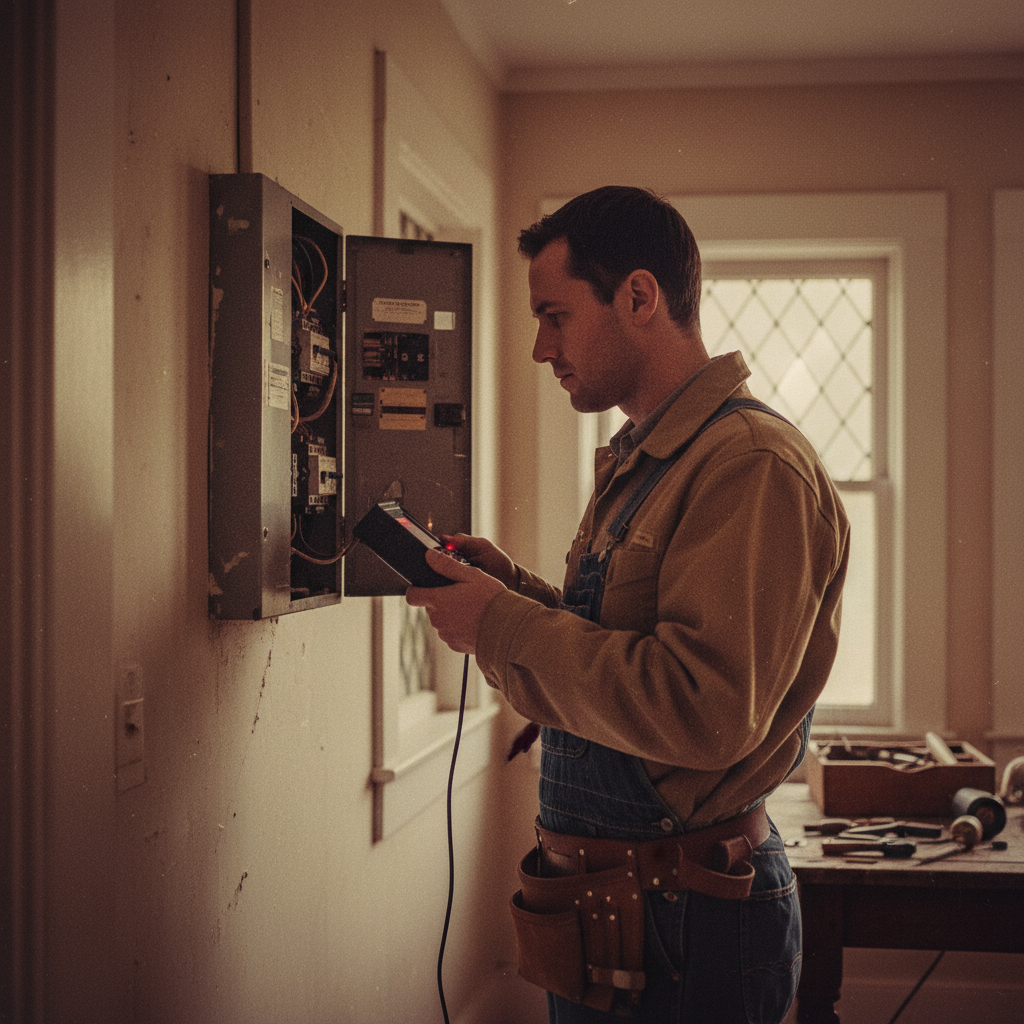
Homes in Price, Helper, and Wellington reflect the rich history of Carbon County, yet their aging electrical systems present unique hurdles for modern safety compliance. A significant number of these historic properties still utilize two-prong outlets that lack a dedicated equipment ground wire. Many homeowners mistakenly believe that ground fault protection is impossible without this third wire. In reality, a GFCI device operates by constantly monitoring the balance of current between the hot and neutral conductors. If the device detects a difference as small as 5 milliamps, it instantly disconnects the power. Because this mechanism does not rely on the ground wire to trip, it remains an incredibly effective life-safety tool in ungrounded systems.
For residents looking to align with GFCI outlet requirements 2026 NEC without the massive expense of a full whole-home rewire, installing GFCIs is the most practical solution. The National Electrical Code specifically allows for the replacement of ungrounded two-prong receptacles with GFCI outlets, provided they are marked with a No Equipment Ground label. This provides a high level of protection against electrocution, which is the primary goal of modern safety standards. While this method does not provide a true ground for sensitive electronics or surge protectors, it significantly upgrades the safety profile of a legacy electrical system.
If you are unsure about the state of your older home's wiring, you should contact a Carbon County electrician to perform a thorough evaluation. Implementing these residential electrical services ensures that historic homes remain functional and safe for the next generation of residents. Choosing to upgrade these specific points of use allows for modern protection while respecting the structural integrity of Carbon County's older housing stock.
Are Non-GFCI Outlets Grandfathered In?
Homeowners often ask if they are legally required to replace every outlet once the GFCI outlet requirements 2026 NEC take effect. The short answer is no; the electrical code generally applies to new construction and modifications rather than existing, untouched wiring. However, the moment you perform dependable electrical repairs, replace a damaged receptacle, or begin a renovation, those specific points must be brought up to the current 2026 standard.
Relying on grandfathered status is a common practice, but it is rarely a safe one. In Carbon County, real estate inspectors frequently flag the absence of GFCI protection in kitchens, bathrooms, and laundry rooms during home sales. Even if the house was built in an era when these codes did not exist, modern buyers and lenders often view the lack of protection as a significant safety deficiency. Beyond the logistics of a home sale, an older outlet remains a shock hazard in wet environments. If you are unsure if your current setup provides adequate protection, you should contact a Carbon County electrician to discuss targeted residential electrical services that prioritize life safety over technical loopholes.
GFCI vs AFCI: Understanding the Difference
Homeowners frequently conflate GFCI and AFCI protection, but they serve two distinct safety roles. A Ground Fault Circuit Interrupter (GFCI) monitors for current leakage to ground, shutting off power to prevent lethal shocks. This is your primary Life Safety device, essential for wet areas described in the GFCI outlet requirements 2026 NEC. Conversely, an Arc Fault Circuit Interrupter (AFCI) detects dangerous electrical arcing; this occurs when damaged wires, pierced insulation, or loose connections create heat. AFCIs function as Property Safety by preventing house fires before they start.
In modern electrical design, these two technologies often merge. Many areas like kitchens and laundry rooms now require Dual Function protection. This combines both safety features into a single breaker or outlet to provide comprehensive coverage. When performing dependable electrical repairs, identifying which protection is required for a specific circuit is critical. If you are updating a historic home in Helper or Price, you should contact a Carbon County electrician to ensure you are installing the correct devices for your specific residential electrical services needs and local building codes.
Professional Inspection: Why DIY Upgrades Can Be Risky
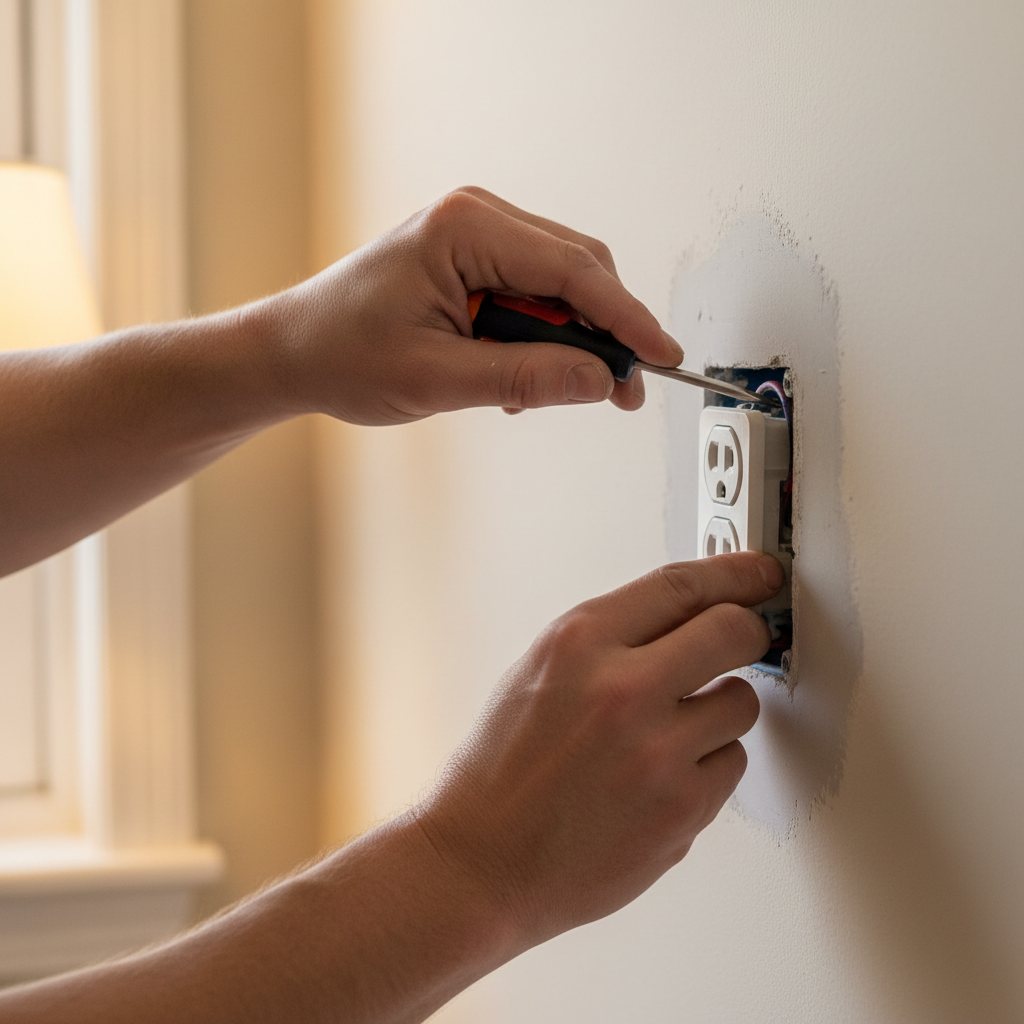
The complexity of the 2026 code, particularly the move toward protecting 60 ampere high voltage equipment, moves beyond the scope of typical DIY projects. While a standard outlet swap might seem straightforward, the logic of downstream protection introduces significant room for error. If the line and load wires are accidentally reversed, the outlet may still provide power, but the ground fault protection will fail to trigger during a fault. This leaves users with a dangerous false sense of security in potentially wet or hazardous environments.
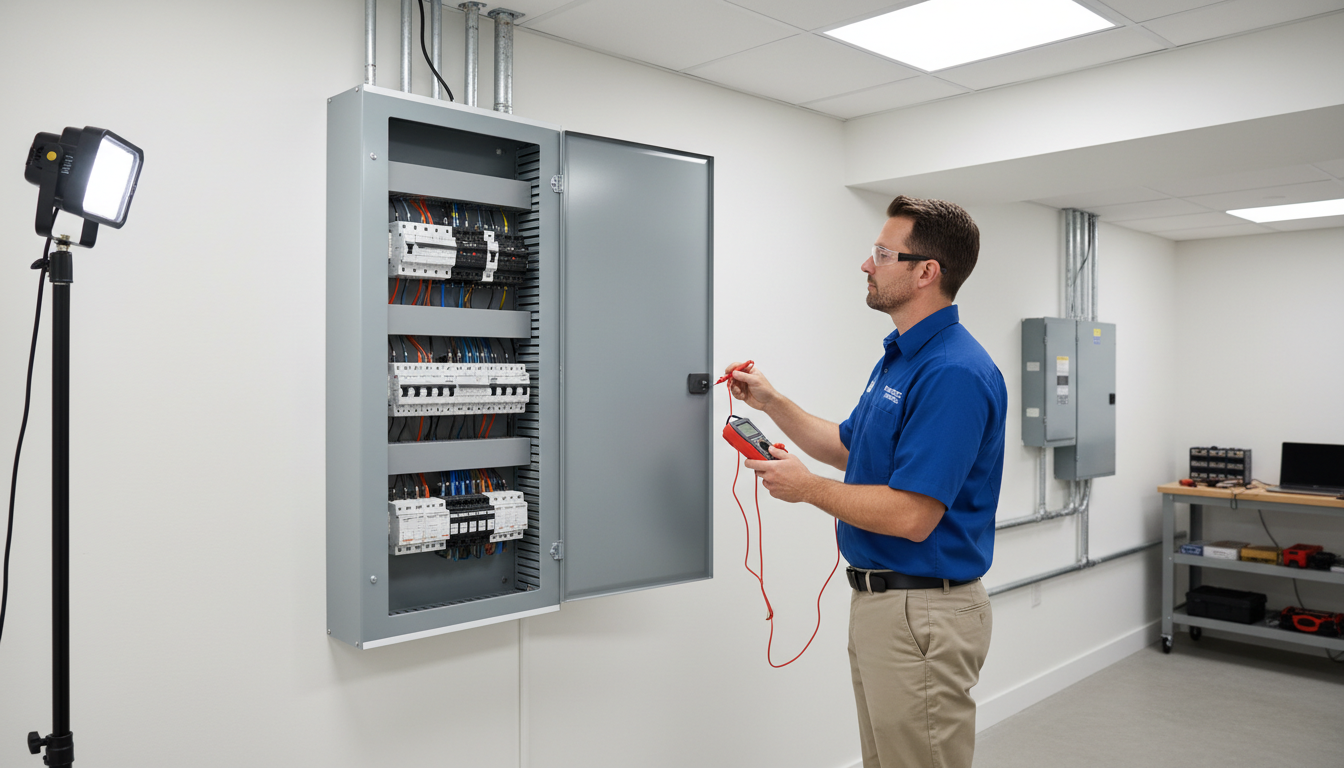
Properly implementing the GFCI outlet requirements 2026 NEC requires specialized equipment to verify that the installation actually works. Keith Electric utilizes modern diagnostic tools to measure precise trip times and ensure wiring integrity. A GFCI must interrupt the circuit within a fraction of a second to prevent injury; we test these parameters to confirm that every device meets the rigorous performance standards set by the National Fire Protection Association.
For high amperage HVAC circuits or complex kitchen renovations, professional oversight is a necessity rather than a luxury. Choosing expert residential electrical services ensures that your breakers are torqued to manufacturer specifications and your circuits are balanced correctly. To guarantee your home or business is fully compliant and safe, you should contact a Carbon County electrician for a comprehensive system evaluation.
Adhering to the 2026 NEC standards is essential for keeping your Carbon County home safe and legally compliant. These updated GFCI requirements are designed to prevent accidents, but they can be complex to implement on your own. If you want expert help ensuring your property meets every safety specification, you can learn more about our background and services. Our goal is to help you maintain a reliable, modern, and secure electrical system for years to come.