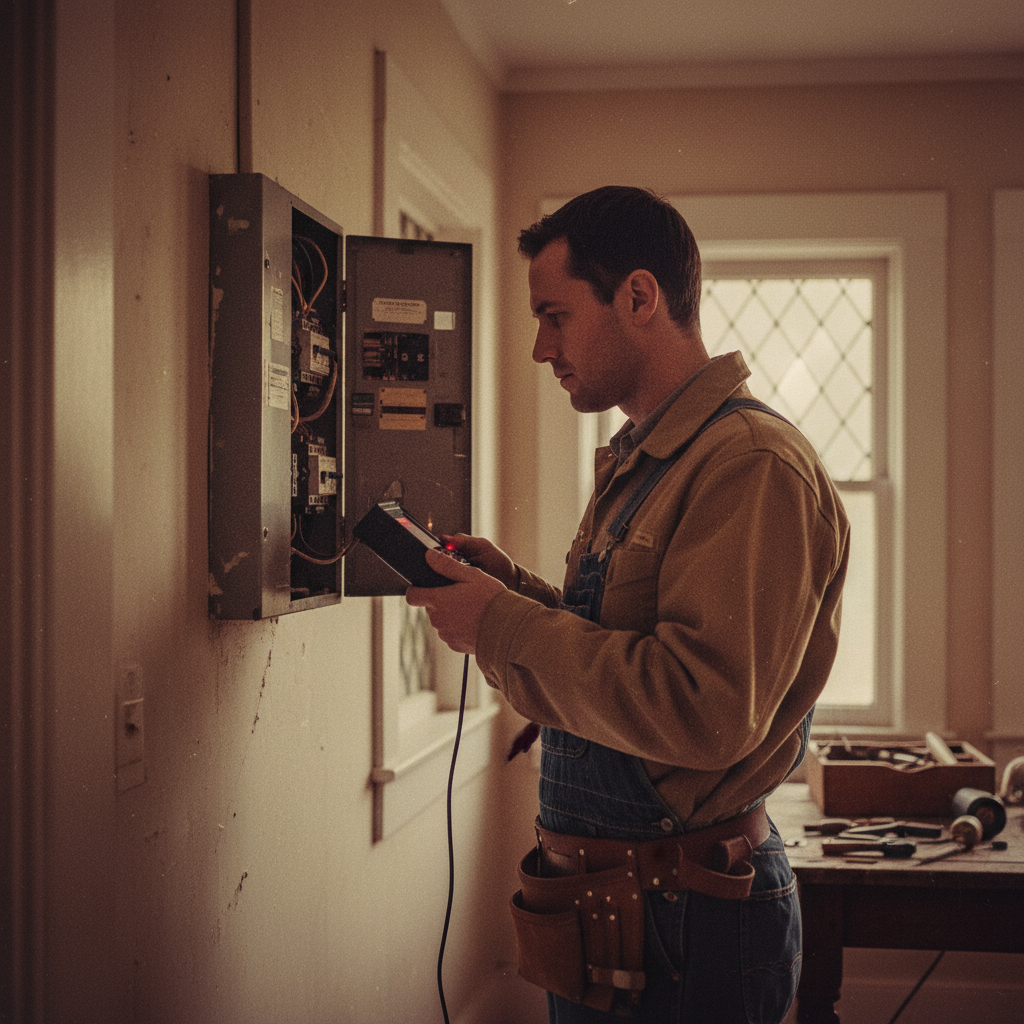
Determine if your Carbon County home requires an electrical update by identifying signs such as flickering lights, frequently tripped breakers, or the presence of knob and tube components. Most experts recommend a professional inspection if your home is over 50 years old, as old house wiring often lacks the capacity for modern appliances and poses significant fire risks.
Living in a historic home in Carbon County offers a unique charm that new constructions simply cannot replicate. However, the electrical systems hidden behind your plaster walls often tell a different story. If you find yourself constantly resetting breakers or noticing a faint smell of ozone, you are likely dealing with the limitations of an aging infrastructure. These systems were never designed to handle the load of modern high performance appliances and sensitive electronics. In this guide, we will analyze the specific types of vintage wiring common in Utah, identify critical warning signs that demand immediate attention, and address the logistical challenges of updating your home. You will learn whether your current setup is safe for modern life and how a professional rewiring process can protect both your investment and your family without necessarily tearing down your walls.
The Challenge of Maintaining Historic Homes in Carbon County
Carbon County is defined by its rich history, which is reflected in its diverse architecture. From the preserved mining era cottages lining the streets of Helper to the stately residential neighborhoods in Price, these historic properties offer a level of character and craftsmanship that modern construction rarely replicates. However, owning a piece of local history comes with specific technical responsibilities, particularly regarding the internal systems that keep the building functional. While the exterior aesthetics remain timeless, the infrastructure behind the walls often predates modern safety standards by several decades.
The core problem for local homeowners is that electrical demands have skyrocketed while the capacity of old house wiring has remained stagnant. Many of these structures were originally wired to support little more than a few lightbulbs and a radio. Today, those same circuits are expected to handle high-definition televisions, powerful kitchen appliances, and a constant stream of mobile devices. This massive increase in load puts immense strain on outdated materials, leading to heat buildup and potential system failure. Prioritizing professional installation and repair is not just a matter of convenience; it is a critical necessity for fire safety and maintaining property value. Identifying these hidden risks early is the only way to ensure a historic home remains a safe, viable asset for the next generation.
Common Types of Old House Wiring Found in Utah
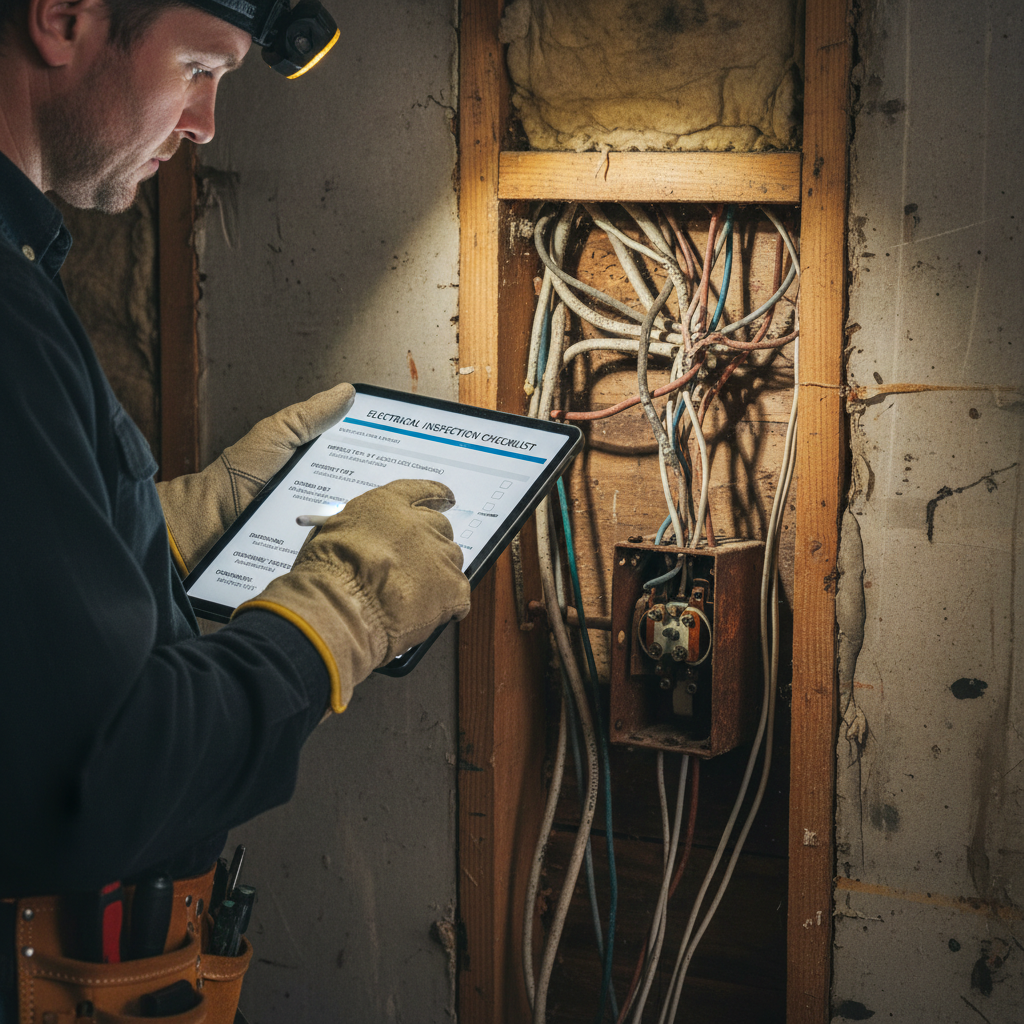
To understand the risks associated with aging infrastructure, you must first identify the specific materials hidden behind your plaster or drywall. In Carbon County, the evolution of local building trends means that a single home might contain several generations of electrical technology. Identifying these systems is the first step toward determining if you need a professional electrical panel upgrade or a full home rewire.
Knob and tube wiring was the standard from the 1880s through the 1940s. It is easily recognizable by the white porcelain cylinders (knobs) used to anchor wires and ceramic tubes used to pass them through wood framing. This system uses two separate wires wrapped in rubberized cloth. The most critical safety flaw is the lack of a grounding wire. Without a ground, there is no safe path for stray electricity to follow during a fault, which increases the risk of electrical fires and equipment damage. Furthermore, this wiring was designed to dissipate heat into open air, so covering it with modern attic insulation can lead to dangerous overheating.
During the mid 1960s and 1970s, many homes were built using aluminum wiring due to high copper prices. You can identify this by checking the plastic jacket of the cables in your attic or basement for the 'AL', 'ALUM', or 'ALUMINUM' stamp. Aluminum is a less stable conductor than copper because it has a higher rate of thermal expansion. As the wire heats up and cools down during use, it expands and contracts, which eventually loosens the connections at outlets and switches. These loose points create electrical arcs that generate enough heat to ignite nearby wood or insulation.
Cloth insulated wiring was also prevalent in mid century Utah homes. While these systems often include a copper conductor, the outer fabric sheath becomes brittle and flakes off after decades of use. This degradation leaves the live metal wire exposed, creating a significant short circuit risk.
In many Carbon County homes built during the mining booms, it is common to find a mix of these systems. Past residents often performed DIY additions, splicing modern Romex (plastic sheathed copper) into older knob and tube circuits. These hybrid systems are often overloaded and unpredictable. If you suspect your home contains a mix of these materials, you should contact Keith Electric for an inspection to ensure your system meets current safety codes.
Eight Warning Signs Your Home Needs Rewiring
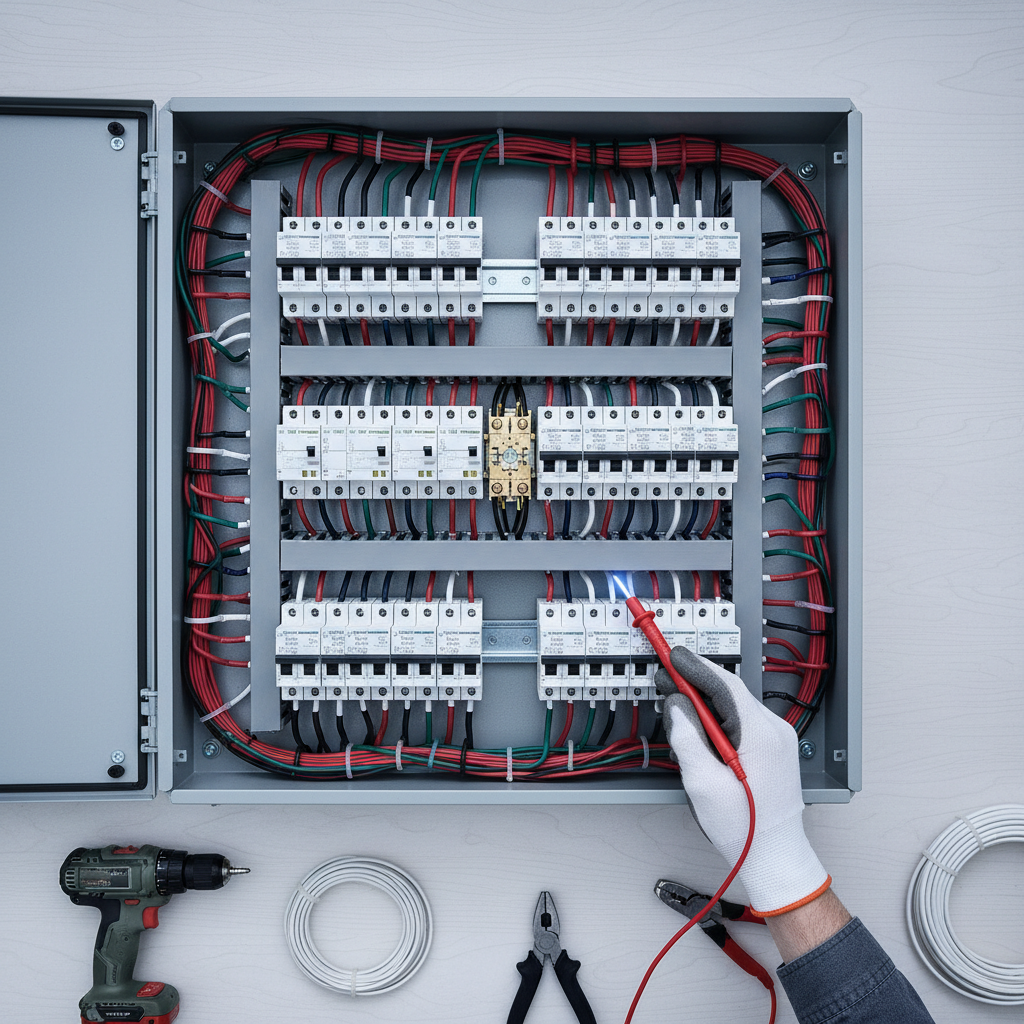
Identifying the threshold between a localized fix and a hazardous system requires paying close attention to your home's daily performance. In Carbon County, where many homes have undergone decades of patchwork repairs, the signs of failure are often hidden in plain sight. Use the following checklist to evaluate the current health of your system.
Frequent Circuit Breaker Tripping: If you find yourself resetting the panel regularly, your system is likely overloaded. Modern breakers are designed to shut off power before wires overheat, but frequent tripping is a sign that the current wiring cannot handle your power demands.
Flickering or Dimming Lights: Noticeable shifts in brightness, especially when the refrigerator or air conditioner kicks on, indicate that your circuits are struggling to maintain consistent voltage.
Discolored or Warm Outlet Covers: Touch your outlet covers occasionally. If they feel warm to the touch or show brownish, charred marks, there is dangerous heat buildup occurring at the connection point.
A Persistent Burning Smell: A sharp, acrid, or ozone like scent near an outlet or the main panel is an emergency signal. This typically indicates that insulation is melting due to active electrical arcing behind your walls.
Two-Prong Outlets: These outlets are a primary indicator of old house wiring that lacks a dedicated ground wire. Without grounding, your sensitive electronics have no protection against surges, and users are at a higher risk of shock.
Presence of a Fuse Box: If your home still utilizes glass fuses instead of a modern breaker panel, the infrastructure is likely nearing a century old. These systems are often prone to "over fusing," where a homeowner installs a higher amperage fuse than the wire can safely support.
Buzzing or Crackling Sounds: Electricity should be silent. Any audible popping or buzzing from a switch or wall cavity suggests a loose connection where electricity is jumping through the air.
Heavy Reliance on Extension Cords: While this seems like a convenience issue, a lack of enough outlets often leads to the overloading of a single circuit, which can cause older conductors to degrade rapidly.
Differentiating between a minor repair and a systemic failure is critical for your budget and safety. A single flickering bulb might just be a loose fixture, but if multiple signs appear across different rooms, it points to a systemic failure. If you recognize these symptoms, you should contact Keith Electric for an inspection to determine if you need a targeted repair or a comprehensive electrical panel upgrade.
Can You Sell or Insure a House with Knob and Tube Wiring?
Recognizing these warning signs is often the catalyst for homeowners in Price or Helper to consider the financial implications of their electrical system, especially during a property transfer. A common question among residents is if it is even legal to sell a home with knob and tube infrastructure. While no state law in Utah prohibits the sale of a house with old house wiring, the practical reality of the real estate market tells a different story.
Mortgage lenders and insurance providers view these legacy systems as high risk liabilities. Many national and local insurers will outright refuse to issue a new policy on a home containing active knob and tube because of the elevated fire risk and lack of grounding. If they do provide coverage, homeowners are often burdened with significantly higher premiums that can hinder a sale. Similarly, mortgage companies may deny financing until the system is brought up to modern standards.
To protect your investment, you should contact Keith Electric for an inspection before listing a property. A verified report on your home's electrical health provides transparency for buyers. Investing in professional installation and repair, which may include a strategic electrical panel upgrade, drastically improves the insurability and market value of your property. Addressing these issues proactively ensures a smoother closing process and prevents last minute surprises during the appraisal phase.
The Rewiring Process: Can You Update Wiring Without Removing Walls?
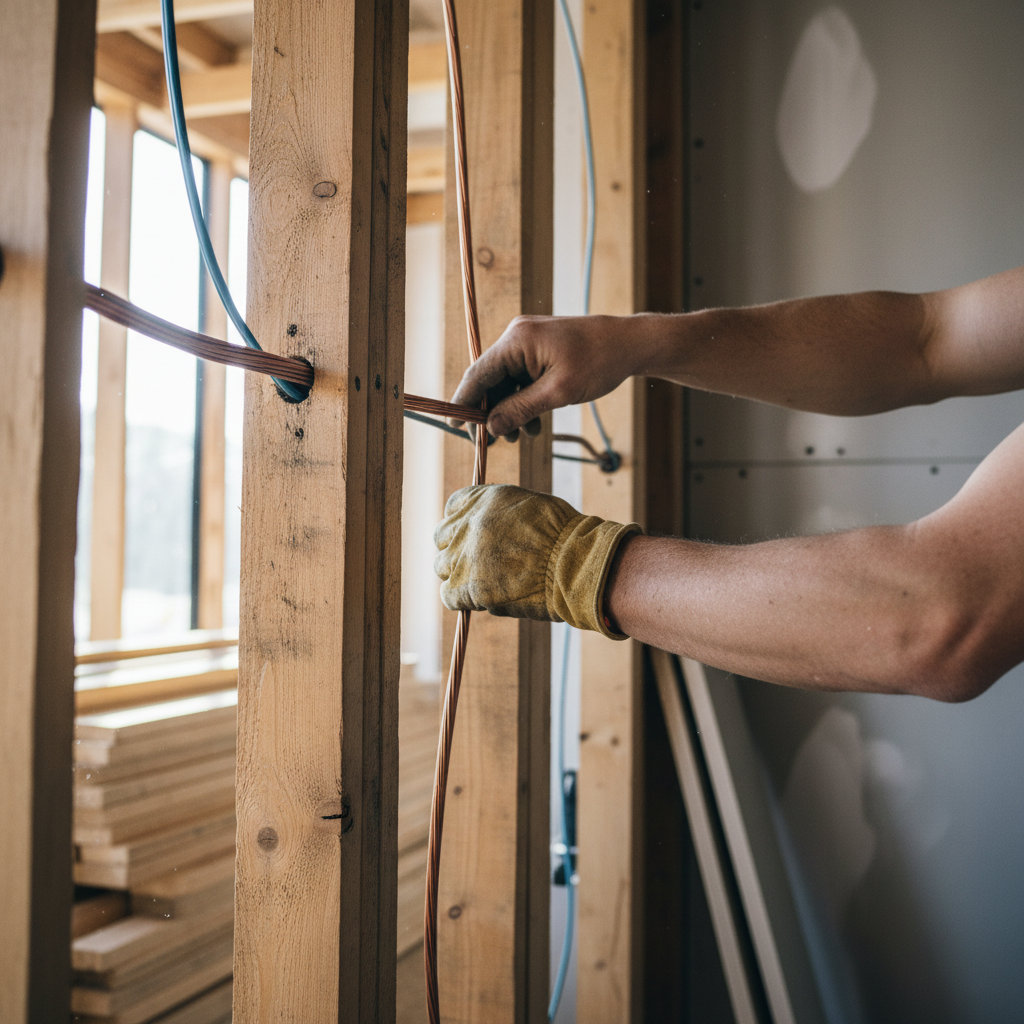
The prospect of replacing old house wiring often triggers images of stripped drywall and clouds of plaster dust. For residents in historic Price neighborhoods or Helper cottages, the preservation of original architectural details is paramount. Fortunately, modern electrical techniques allow for significant upgrades with minimal structural intrusion. By utilizing specialized flexible drill bits and fishing tools, we can route new Romex through existing wall cavities from access points in crawlspaces, basements, or attics. This surgical approach targets the path of least resistance, significantly reducing the need for invasive wall repairs.
Homeowners should also understand that a project does not always require a total home gut. While a comprehensive overhaul is the gold standard for safety, we often perform strategic upgrades focused on high load areas. Kitchens and laundry rooms are modern power hubs that the original builders never anticipated. By installing dedicated circuits in these specific zones, we can alleviate the strain on the rest of the system. This method allows you to modernize your most used spaces without the cost of a full house renovation.
Regardless of the scope, every local project must adhere to the latest National Electrical Code (NEC) standards. These regulations dictate everything from outlet spacing to the requirement of Arc Fault Circuit Interrupter (AFCI) protection. When you contact Keith Electric for an inspection, we evaluate how to bridge the gap between your home’s existing structure and these modern safety mandates. Our goal is to provide professional installation and repair that respects the integrity of your home while ensuring it meets current code, often through strategic placements that avoid major demolition.
Is 100 Year Old Wiring Safe for Modern Electronics?
The short answer is no; a century old electrical system is fundamentally incompatible with modern technology. While the copper conductors might technically still carry current, the lack of a dedicated grounding path is a critical failure for sensitive equipment. Modern computers, gaming consoles, and smart home hubs require a ground wire to safely divert excess electricity. Without this path, even a minor internal surge can bypass the device's own protection, resulting in fried circuits and lost data.
Furthermore, old house wiring was designed for a linear load, primarily lightbulbs and simple heating elements. Today's homes are filled with phantom loads, devices like smart speakers and chargers that constantly draw power even when not in active use. This cumulative demand creates persistent heat that old, brittle insulation cannot dissipate safely. High efficiency appliances also utilize switching power supplies that can introduce electrical noise into an ungrounded system, causing interference or premature failure of the appliance motor. To protect your digital investments, you should contact Keith Electric for an inspection to evaluate your home's current capacity. Integrating an electrical panel upgrade alongside professional installation and repair ensures that your historic home can safely support the power quality demands of the 21st century.