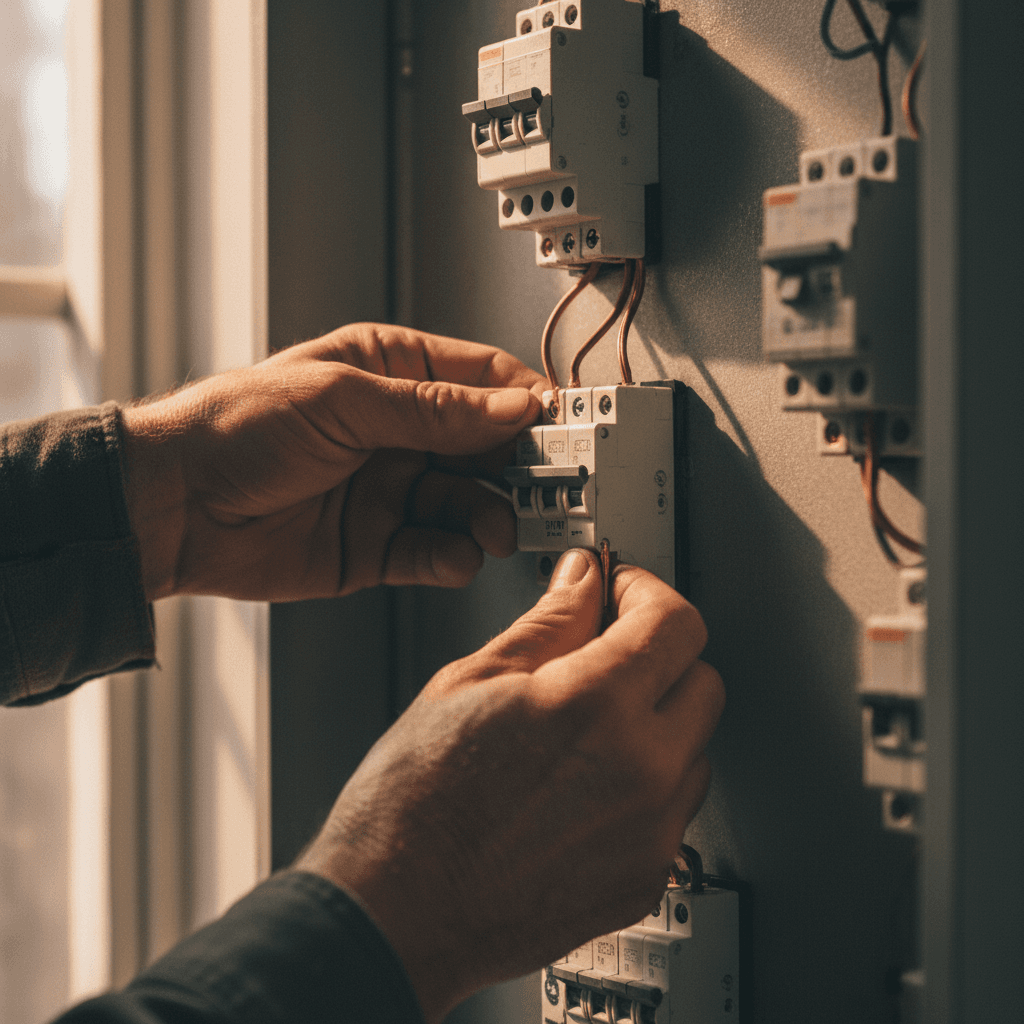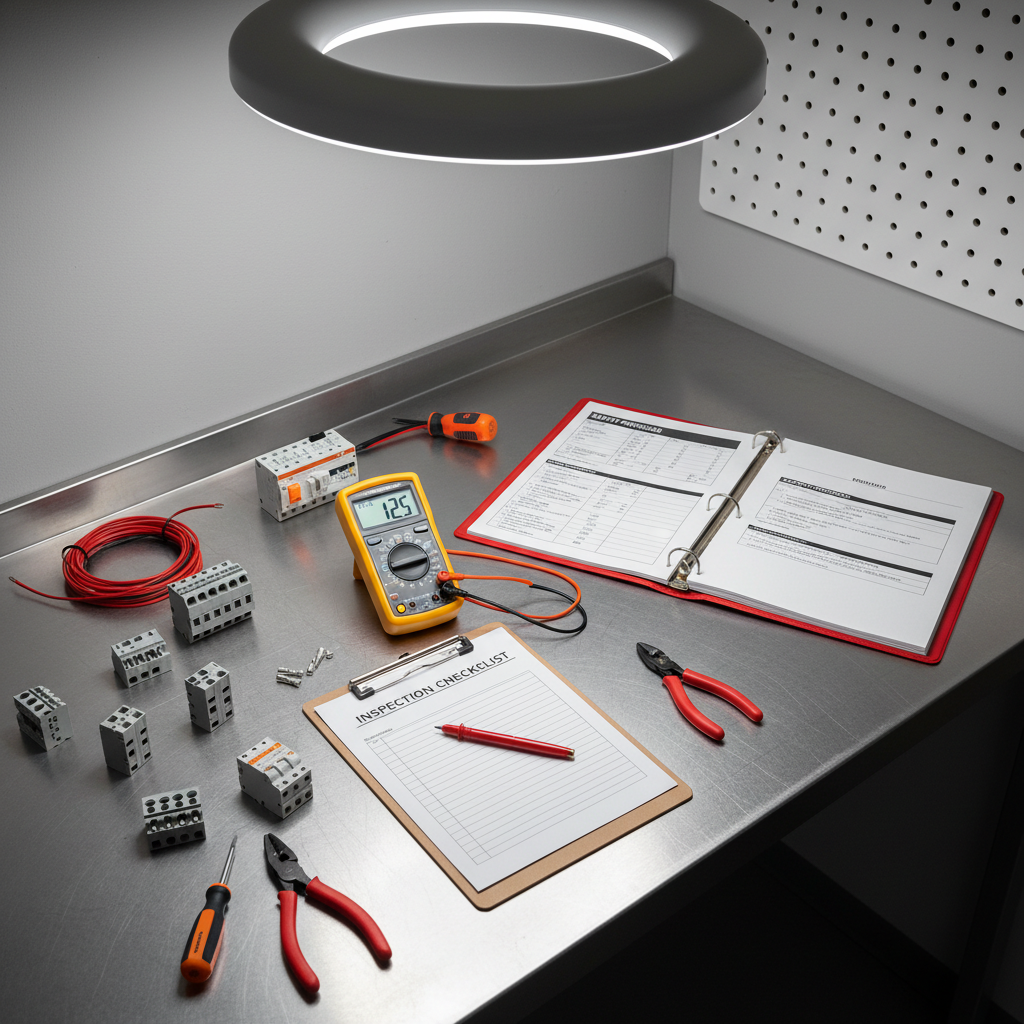
An electrical inspection before buying a home identifies critical safety risks such as outdated wiring, improper grounding, and fire hazards that standard inspections might overlook. This professional assessment allows buyers to negotiate necessary repairs or price adjustments before closing; ensuring the property meets current safety standards.
Closing on a new home in Carbon County should feel like a milestone, not a gamble. Unfortunately, many buyers discover too late that a standard home inspection often skims the surface of a property's electrical integrity. When you are eyeing a charming historic residence in Price or a mid-century layout in Helper, the wiring hidden behind those walls could represent a significant safety risk or a looming financial burden. Understanding the specific health of a home's electrical system is essential for your peace of mind and your wallet. In this guide, we will examine why specialized assessments are necessary for Utah real estate. You will learn how to identify common red flags, what a professional checklist must include, and how to leverage your inspection report to negotiate a fair deal before you sign on the dotted line.
Why a Standard Home Inspection May Not Be Enough for Your Carbon County Purchase
Purchasing a property in Carbon County often involves navigating homes with decades of history. While a standard home inspection is a critical part of the due diligence process, it is rarely comprehensive enough to fully evaluate the electrical health of a building. General home inspectors are trained to identify visible defects, such as a flickering light or a missing outlet cover. However, they typically lack the specialized equipment and trade-specific expertise required to diagnose what is happening behind the drywall or inside the service panel.
A licensed professional providing residential electrical services approaches the property differently. We perform detailed load calculations to determine if the existing service can actually support modern appliances, such as high-efficiency HVAC units or electric vehicle chargers. This goes far beyond checking if a switch works; it ensures the system is not operating at a dangerous capacity. We also examine the integrity of grounding and bonding systems, which are essential for protecting your electronics and preventing accidental electrocution.
In our local area, many homes in Price and Helper have undergone various modifications over the last fifty years. It is common to find "handyman" wiring or unpermitted additions that a general inspector might miss because the outlets appear to function during a basic test. A specialized electrical inspection before buying a home identifies these hidden hazards and verifies code compliance. By uncovering these issues early, you gain the technical data needed to secure your investment and ensure the safety of your family before the closing papers are signed.
Special Considerations for Older Homes in Price and Helper
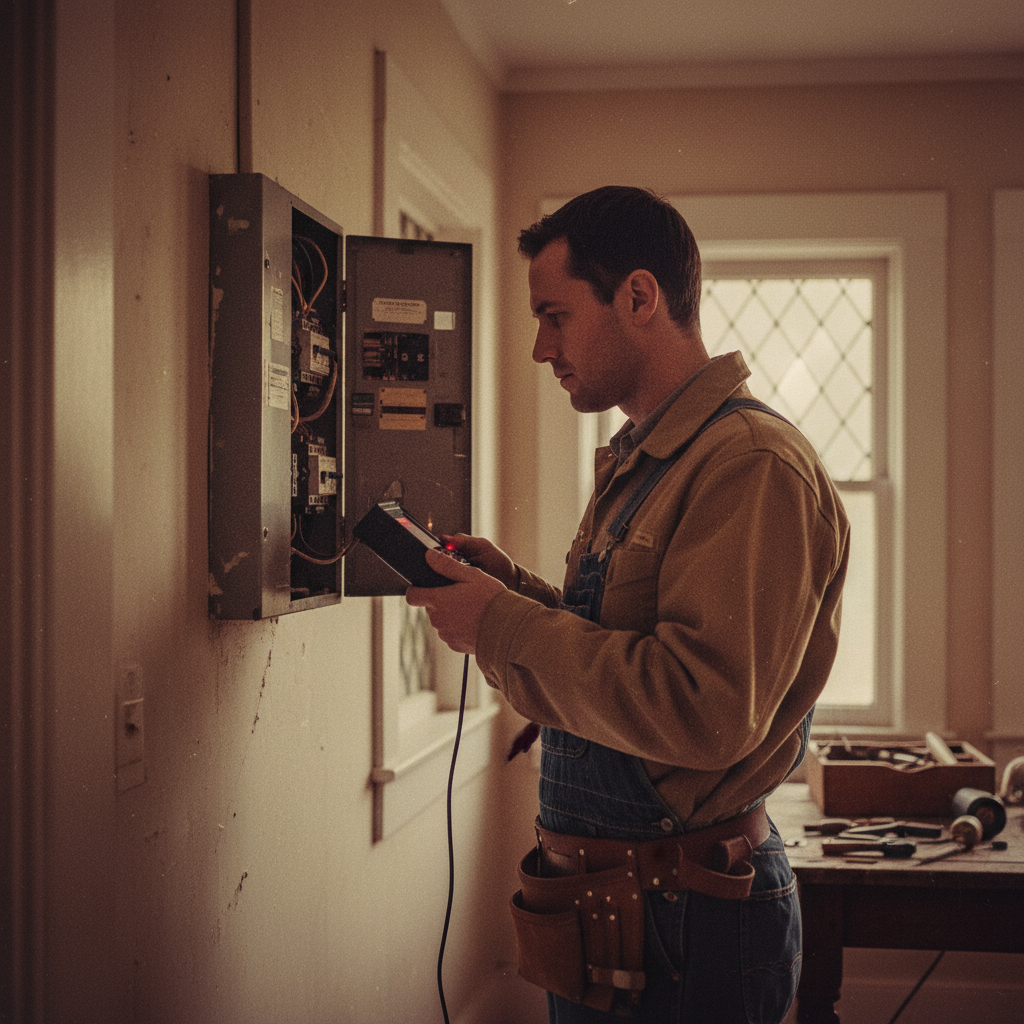
In Price and Helper, the architectural charm of early 20th century mining cottages often masks outdated electrical infrastructure. When performing an electrical inspection older home buyers need to be aware of technologies that were standard decades ago but are now considered significant fire hazards. Knob and tube wiring is particularly common in these historical districts. This system uses porcelain insulators to run wires through joists, but it lacks a grounding wire and relies on open air space for cooling. Over time, previous owners often buried this wiring in modern blown-in insulation, which traps heat and creates a dangerous thermal environment for the aging conductors.
Cloth-insulated wiring is another frequent find across Carbon County. The fabric coating on these cables becomes brittle with age, eventually cracking and falling away from the copper conductor. This leaves energized wires exposed inside your walls. While these systems may still technically provide power, they were never designed to handle the amperage demands of modern kitchens, home offices, or high-efficiency HVAC systems. A specialized electrical inspection before buying a home identifies where these legacy systems remain and whether they have been improperly spliced into newer Romex wiring.
Our team at Keith Electric frequently encounters "handyman" corrections in these older mining town properties. Because these homes have passed through many hands over the last eighty years, we often find bootleg grounds, overloaded circuits, and illegal splices hidden in crawlspaces or attics. These DIY fixes rarely meet the 2026 NEC standards, which emphasize comprehensive arc-fault (AFCI) and ground-fault (GFCI) protection. Modern codes prioritize life safety in ways that mid-century wiring cannot accommodate without a professional electrical panel upgrade and targeted rewiring. Identifying these structural weaknesses before you close on a property in Price or Helper ensures your historic home remains a safe investment rather than a safety liability.
The Electrical Inspection Checklist: What Buyers Must Check
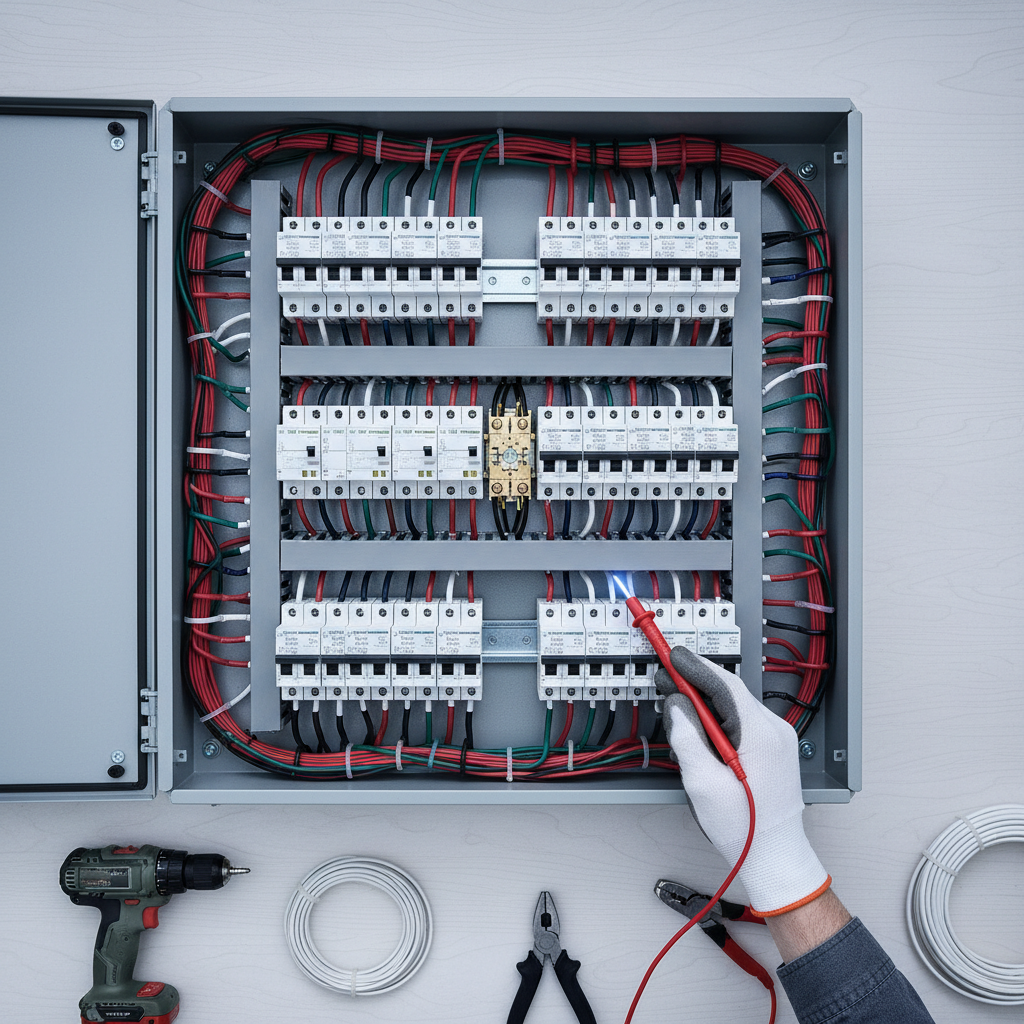
Identifying these structural weaknesses is the first step, but a comprehensive electrical inspection before buying a home requires a systematic approach to the entire system. At Keith Electric, we utilize a specialized checklist that focuses on the highest risk factors found in Utah properties. Each of these points represents a critical safety or functional requirement that impacts the long term viability of your investment.
Service Panel Integrity: The panel is the heart of the home’s electrical system. We look for signs of corrosion or oxidation on the bus bars, which is frequently caused by moisture in Carbon County basements. We also identify "double-tapping," a common defect where two wires are connected to a single-pole breaker not designed for it. This creates loose connections that can lead to arcing and circuit failure. If the panel is a brand with a known history of failure, such as Federal Pacific or Zinsco, an electrical panel upgrade is usually the first recommendation.
GFCI and AFCI Protection: We verify that all high risk areas follow the latest safety standards. Ground Fault Circuit Interrupters (GFCI) are essential in kitchens, bathrooms, and garages to prevent electrocution, while Arc Fault Circuit Interrupters (AFCI) detect dangerous electrical arcs before they start a fire. We compare the existing installation against the 2026 NEC GFCI outlet requirements to ensure the home meets modern life safety codes.
Grounding and Bonding: Proper grounding directs excess electricity safely into the earth during a surge. We inspect the grounding electrode conductor and verify that the home’s metal piping systems are properly bonded. In our local area, improper grounding is a leading cause of fried electronics and sensitive appliance failure.
Device Functionality and Thermal Checks: Our team tests every accessible outlet for correct polarity and grounding. We also look for physical red flags like melted plastic, discoloration, or outlets that feel warm to the touch. Heat at the outlet indicates high resistance, often caused by loose terminal screws or worn internal contacts that pose a significant fire risk.
Aluminum Wiring Assessment: For homes built in the mid-1960s to mid-1970s, we specifically check for aluminum branch circuit wiring. Aluminum expands and contracts more than copper, which can cause connections to loosen and overheat. We identify if the home has this wiring and whether it has been properly mitigated with Copalum crimps or AlumiConn connectors to meet residential electrical services safety standards.
Common Electrical Red Flags in Utah Real Estate
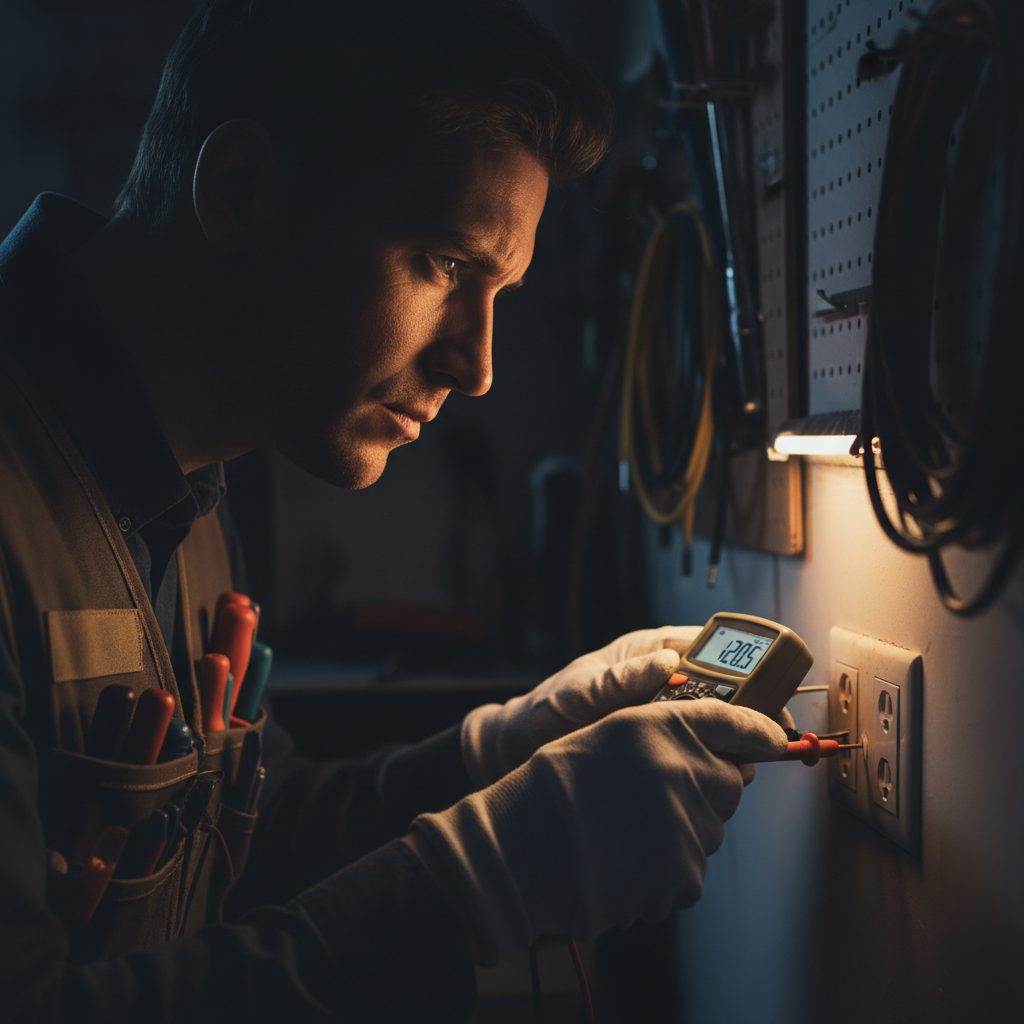
Identifying specific red flags during a walkthrough can save you from a predatory contract. The biggest red flag in Utah real estate is often a combination of persistent flickering lights and a buzzing sound emanating from behind the walls. These symptoms usually indicate active arcing, which is a leading cause of residential fires. When conducting an electrical inspection before buying a home, we pay close attention to any service panel that feels warm to the touch. A warm panel suggests the system is struggling to meet the current electrical load or that the breakers are failing to trip during an overload.
Other warning signs include visible burn marks on outlets, the smell of ozone (a metallic or fishy scent), and DIY splices found in the attic. Exposed, frayed wires or ungrounded three prong outlets are not just minor inconveniences; they represent significant safety violations. These issues should serve as primary negotiation points. Rather than viewing them as simple weekend projects, buyers should use these findings to request a price reduction or a closing credit. Requesting that the seller hire a professional for residential electrical services to rectify these hazards ensures the work is bonded and compliant. If the system is fundamentally obsolete, an electrical panel upgrade might be necessary before the property can be safely insured.
Understanding Electrical Inspection Costs in Carbon County
Addressing the price tag upfront helps set clear expectations for local buyers. In Carbon County, the cost for a specialized electrical inspection before buying a home typically falls between $150 and $400. This range covers the professional labor and specialized diagnostic equipment required to assess a residential system thoroughly.
Several variables dictate where a specific property lands within this range. Total square footage is the primary factor, as a sprawling ranch-style home requires more time to test every circuit than a compact mining cottage in Helper. Accessibility also plays a major role; if a licensed electrician must navigate cramped crawlspaces or low-clearance attics to verify wiring methods and splice integrity, the labor time increases. Additionally, the complexity of the system, such as the presence of solar arrays or specialized shop equipment, may require additional testing hours.
The return on investment for this service is substantial. Spending a few hundred dollars during the due diligence period provides the leverage needed to negotiate repairs. It prevents the shock of a $5,000 emergency electrical panel upgrade or the catastrophic cost of fire damage caused by undetected arcing. By securing professional residential electrical services before finalizing a sale, you ensure that hidden defects become the seller's responsibility rather than your financial burden after move-in.
How to Use the Inspection Report for Negotiations
Once the electrical inspection before buying a home is complete, the resulting report serves as a formal roadmap for the next phase of the real estate transaction. While residential electrical systems do not strictly pass or fail, a report highlighting significant safety hazards gives you the technical evidence needed to request specific concessions. Present these findings to the seller as non-negotiable safety requirements rather than cosmetic preferences, focusing on high-priority items like double-tapped breakers or the immediate need for an electrical panel upgrade.
You generally have two paths for resolution: asking the seller to complete repairs before closing or requesting a financial credit. If you choose seller-led repairs, the purchase addendum must specify that all work be performed by a licensed contractor providing professional residential electrical services. Demand copies of all permits and a final invoice to verify that a qualified expert, not a general handyman, performed the work.
Avoid accepting DIY fixes from the current owner. In Price and Helper, we frequently see sellers attempt to swap out two-prong outlets for three-prong versions without actually grounding the circuit. This deceptive fix makes the home appear compliant with 2026 NEC GFCI outlet requirements while leaving the underlying fire hazard intact. A closing credit is often the safer route; it ensures you have full control over the quality and safety of the repairs once you take possession.