Recessed lighting installation older home projects typically cost between $125 and $529 per fixture, depending on the complexity of wiring and ceiling accessibility. Successful installation requires choosing appropriate remodel cans for finished spaces and potentially upgrading electrical circuits to meet modern safety standards.
Living in a historic Carbon County home often means sacrificing modern brightness for architectural charm. While plaster walls and narrow hallways define the aesthetic, they also present significant obstacles when you attempt to modernize your lighting. Recessed lights offer a clean, streamlined solution to dim rooms; however, the installation process in an older structure requires more than just a hole saw. You must contend with legacy wiring systems, tight ceiling joists, and specific safety protocols. This guide explores the essential components of a successful retrofit, including an evaluation of knob and tube wiring, a comparison between can and canless fixtures, and a detailed look at 2026 installation costs. By understanding these technical requirements, you can illuminate your home without compromising its structural integrity or electrical safety.
Modern Illumination for Historic Carbon County Homes
Carbon County is defined by its historic architecture, from the craftsman bungalows in Price to the iconic company homes in Helper and East Carbon. While these properties offer a unique charm, they often suffer from poor lighting. Original floor plans and aging fixtures frequently leave interiors feeling dark and dated. A recessed lighting installation older home project provides a streamlined solution, opening up living spaces without the clutter of bulky lamps or low-hanging chandeliers.
Upgrading a historic home requires a vastly different technical approach than a standard new build. Our local residences often feature structural hurdles like lath and plaster ceilings, irregular joist spacing, and limited attic clearance. More importantly, these projects must address the legacy wiring systems hidden behind the walls. Simply cutting holes and daisy-chaining fixtures is not an option when dealing with the electrical standards of the mid-20th century. Successful retrofitting relies on a professional electrical installation that prioritizes safety and circuit integrity. Before you begin modernizing your space, it is vital to understand the specific mechanical and safety requirements that come with Carbon County’s older housing stock. Contact Keith Electric to discuss how we navigate these unique challenges.
Evaluating Legacy Wiring: Knob and Tube, Aluminum, and Lack of Grounding
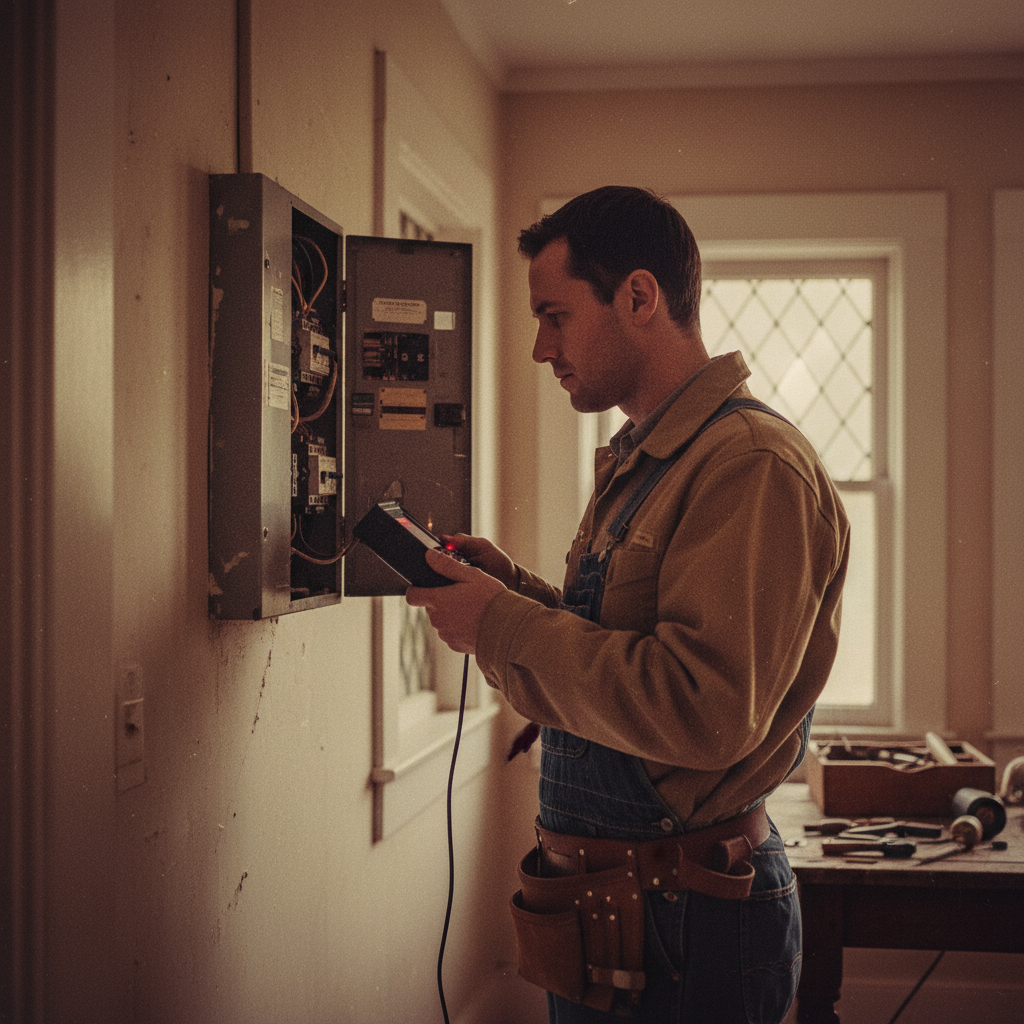
Before any holes are cut for a recessed lighting installation older home project, the existing electrical infrastructure must be thoroughly vetted. Many residences in the Price and Helper areas still utilize legacy systems that were never designed to handle the heat or safety requirements of modern fixtures.
Knob and tube wiring, common in Carbon County’s pre-1940s construction, is the most critical hurdle. This system relies on open air circulation to stay cool, but modern recessed lights are often surrounded by insulation. Connecting new fixtures to knob and tube is a significant fire risk because the brittle, rubberized cloth insulation often cracks when disturbed. Furthermore, these systems lack a dedicated ground wire, which is essential for safely discharging excess electricity during a fault. Modern code requires a ground for all new installations to protect against electric shock.
Aluminum wiring, frequently found in local homes built between the mid-1960s and 1972, presents a different set of challenges. Research indicates that homes with aluminum branch circuit wiring are 55 times more likely to have a connection reach fire hazard conditions than those with copper. Aluminum expands and contracts significantly under load, leading to loose connections that arc and generate intense heat. We do not simply splice new lights into these circuits; they require specialized CO/ALR connectors or a circuit upgrade to ensure long term stability.
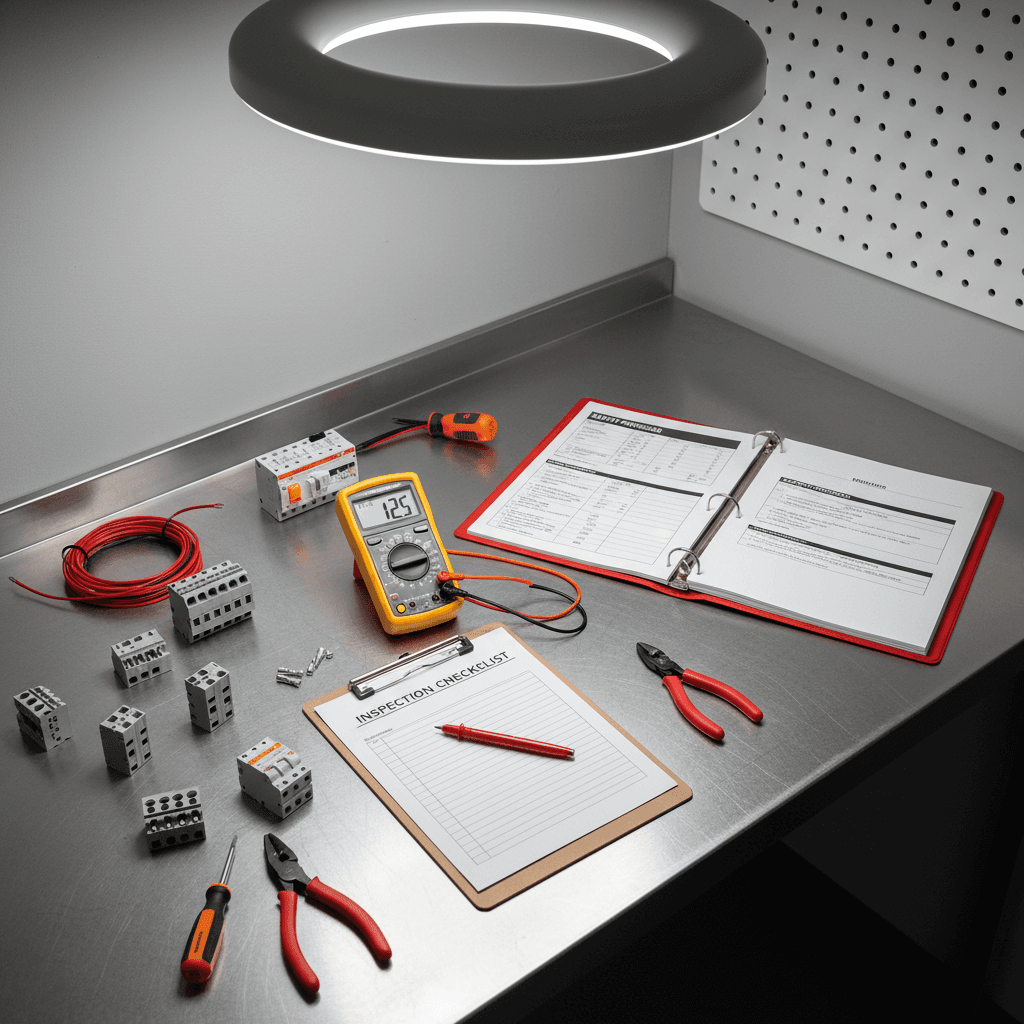
During our initial assessment, Keith Electric technicians use circuit tracers and multimeters to map the existing load and identify these legacy materials. We evaluate the condition of the insulation and verify if the service panel can safely accommodate the additional amperage. If we discover signs of degradation or unsafe wiring, we prioritize troubleshooting and replacement of the affected runs before proceeding with the lighting layout. This diagnostic phase prevents hazardous surprises that could occur once the ceiling is sealed.
Can vs Canless Recessed Lighting: Which is Best for Retrofitting?
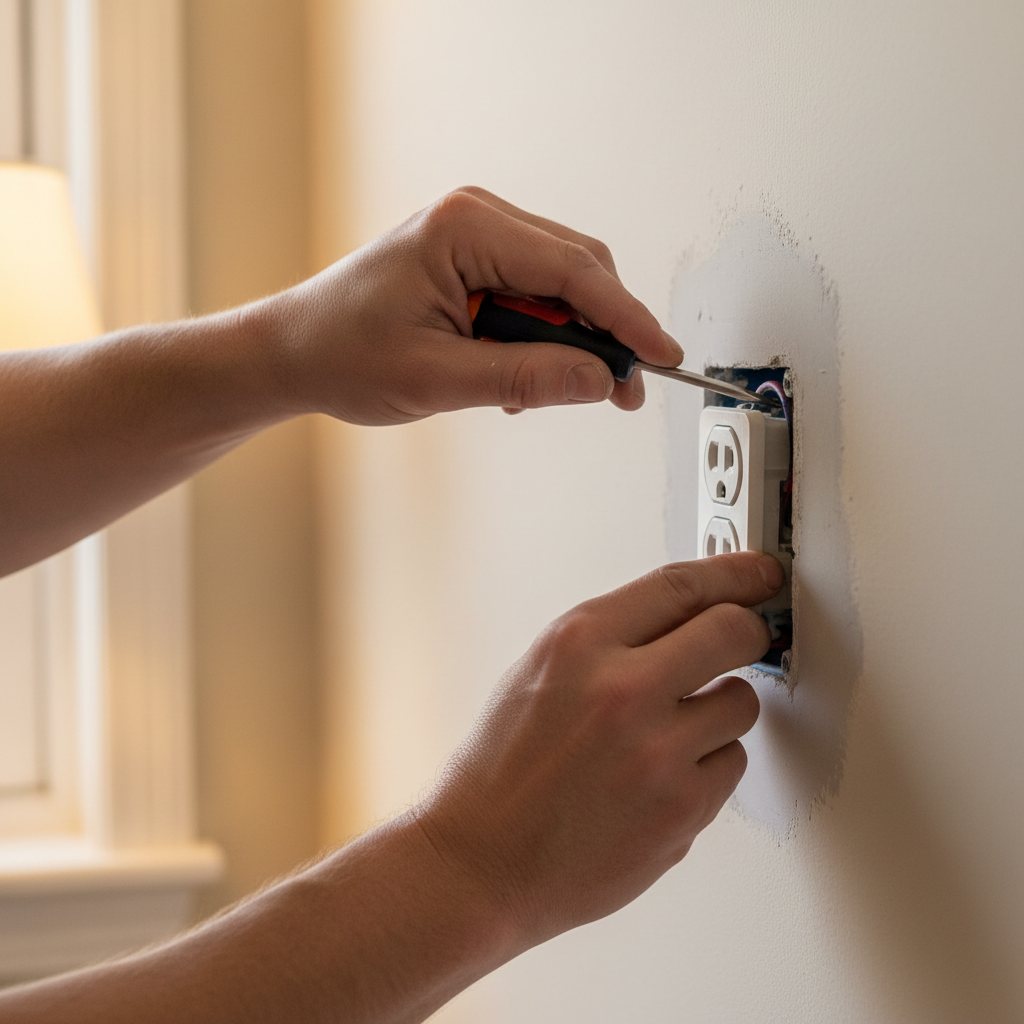
Selecting the right hardware for a recessed lighting installation older home project depends largely on the physical limitations of your ceiling. Traditional recessed lights, often called can lights, consist of a large metal housing that sits inside the ceiling. These units typically require six to eight inches of vertical clearance. In many historic Price residences, especially those with shallow floor joists or flat roofs, there simply isn't enough room to accommodate these bulky housings without hitting structural members.
Canless LED fixtures, also known as wafer lights, have revolutionized retrofitting in Carbon County. These units are ultra thin, often measuring less than an inch in height. Instead of a large can, they use a small, remote junction box that connects to the light via a narrow cable. This design allows us to install lighting in locations that were previously inaccessible, such as directly under a joist or in ceilings with limited attic clearance.
Feature | Traditional Can Lights | Canless (Wafer) LEDs |
|---|---|---|
Required Depth | 6 to 8 Inches | 1 to 2 Inches |
Obstruction Handling | Must be placed between joists | Can fit almost anywhere |
Thermal Output | High (if using halogen) | Low (Integrated LED) |
Ease of Retrofit | Difficult in finished ceilings | Ideal for old work |
If your home already has older, existing can housings, we often use retrofit kits. These kits allow us to upgrade the internal components to modern LED technology while utilizing the existing footprint. Regardless of the mounting style, LED technology is the only practical choice for our local climate. Unlike traditional bulbs that generate significant heat, LEDs remain cool, which prevents your attic insulation from overheating and reduces the strain on your air conditioning during hot Utah summers. Their energy efficiency ensures that adding four to six lights to a room won't significantly impact your monthly utility costs.
Installation Methods: Attic Access vs Interior Retrofitting
The physical execution of a recessed lighting installation older home project depends entirely on what lies behind your ceiling. In many Carbon County bungalows, we have the advantage of attic access. This top down approach allows our team to run branch circuits and position junction boxes with minimal impact on the living space. Because we can work from above, the process is cleaner and faster, allowing for more flexible placement of fixtures between existing joists.
For two story homes in Price where a floor sits directly above the ceiling, we employ interior retrofitting. This method involves fishing wires through small, strategically placed holes using specialized fiberglass rods and fish tapes. Our technicians focus on surgical precision to navigate structural headers or complex framing with as little drywall disruption as possible. While some minor patching may be necessary, this technique avoids the need for large scale ceiling removal.
Regardless of the access method, we exclusively utilize IC rated (Insulation Contact) fixtures. These units are specifically engineered to be safely buried under fiberglass or cellulose insulation. In the confined, insulated cavities typical of older residences, using non IC rated housings is a significant fire hazard and a direct violation of modern electrical codes. We prioritize these thermally protected units to ensure the safety of your home's thermal envelope and long term peace of mind.
Recessed Lighting Installation Cost: 2026 Price Estimates
Budgeting for a recessed lighting installation older home project requires an understanding of the labor involved in retrofitting. Unlike new construction where wiring is accessible before drywall is hung, old work installation involves navigating finished ceilings and hidden structural obstacles. This additional complexity drives the professional labor cost to a range of $100 to $300 per fixture. High-quality LED fixtures and necessary hardware typically cost between $50 and $100 each, depending on the specific trim and lumen output.
Expense Category | Estimated Cost Per Fixture |
|---|---|
Fixture and Materials | $50 to $100 |
Professional Labor (Remodel) | $100 to $300 |
Total Per Light | $150 to $400 |
For a standard 12x12 room in a Carbon County residence, homeowners usually install four to six fixtures to achieve balanced illumination. Total project costs for a single room typically range from $600 to $2,400. This estimate reflects the specialized tools and time required to fish wires through older framing while minimizing drywall repair. While initial material costs are relatively fixed, the final price depends on the ease of attic access and the condition of your existing electrical panel. Contact Keith Electric for a detailed onsite estimate tailored to your home's unique structural needs.
Layout Strategy: How Many Lights for a 12x12 Room?
Determining the layout for a recessed lighting installation older home project involves balancing functional brightness with the room's specific dimensions. For a standard 12x12 room, a common industry rule of thumb is to space fixtures at a distance equal to half the ceiling height. In many Carbon County bungalows with 8-foot ceilings, this means placing lights approximately 4 feet apart. Following this guideline prevents dark spots and ensures an even wash of light across the floor.
A basic grid of four lights works well for general illumination in a bedroom or living area. However, older residential layouts in Helper often feature specific focal points that require targeted placement. We recommend adjusting the grid to highlight a stone fireplace or providing task lighting over a kitchen workspace. To maintain versatility, we always install dimmers. This allows you to shift from bright, focused light for cleaning or projects to a softer glow for evening relaxation. Proper planning ensures the new layout enhances the room's character without creating glare. Contact Keith Electric for assistance in mapping your space.
Why Professional Installation is Mandatory for Older Homes
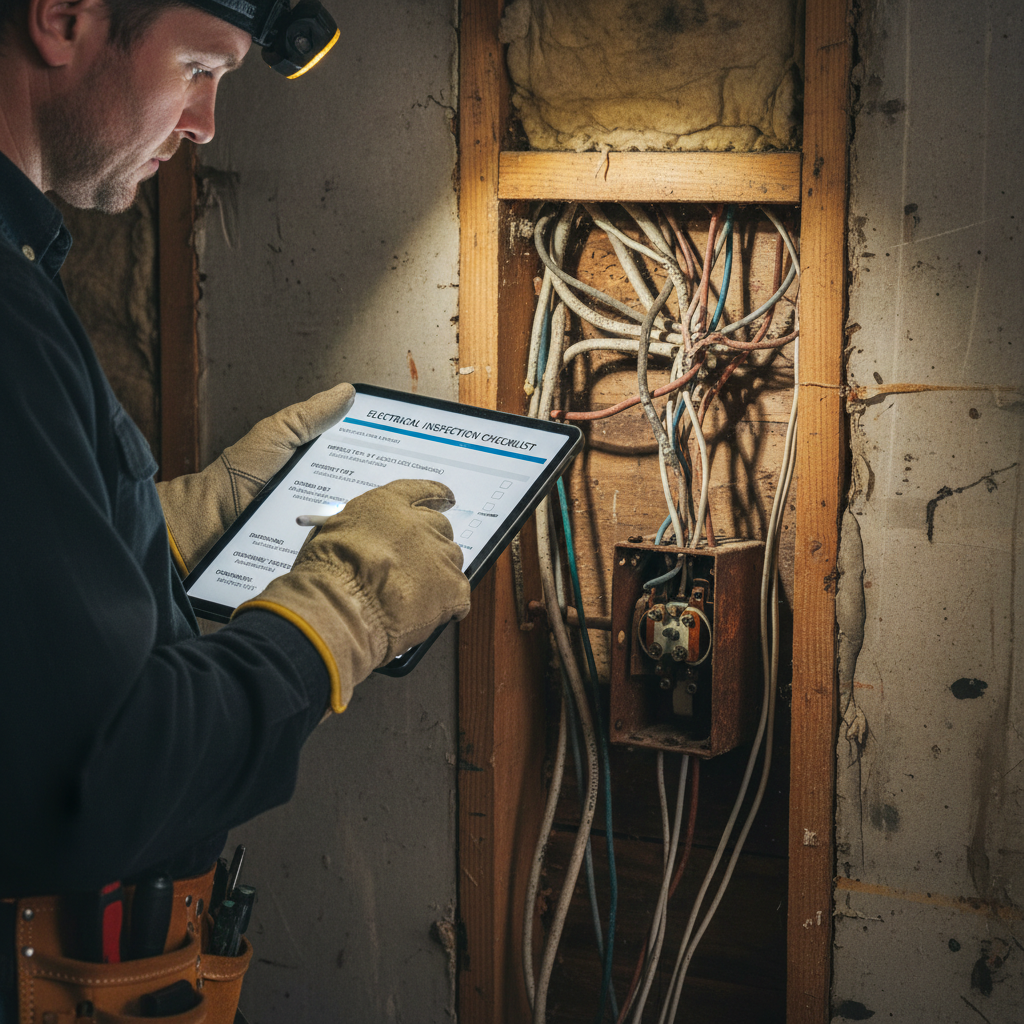
Executing a recessed lighting installation older home project involves more than just mechanical skill; it requires strict adherence to Carbon County building codes. Local building departments in Price and Helper require permits for the addition of new electrical circuits to ensure the work meets National Electrical Code (NEC) standards. Skipping this step can lead to significant liability issues during property appraisals or insurance claims if a fire were to occur.
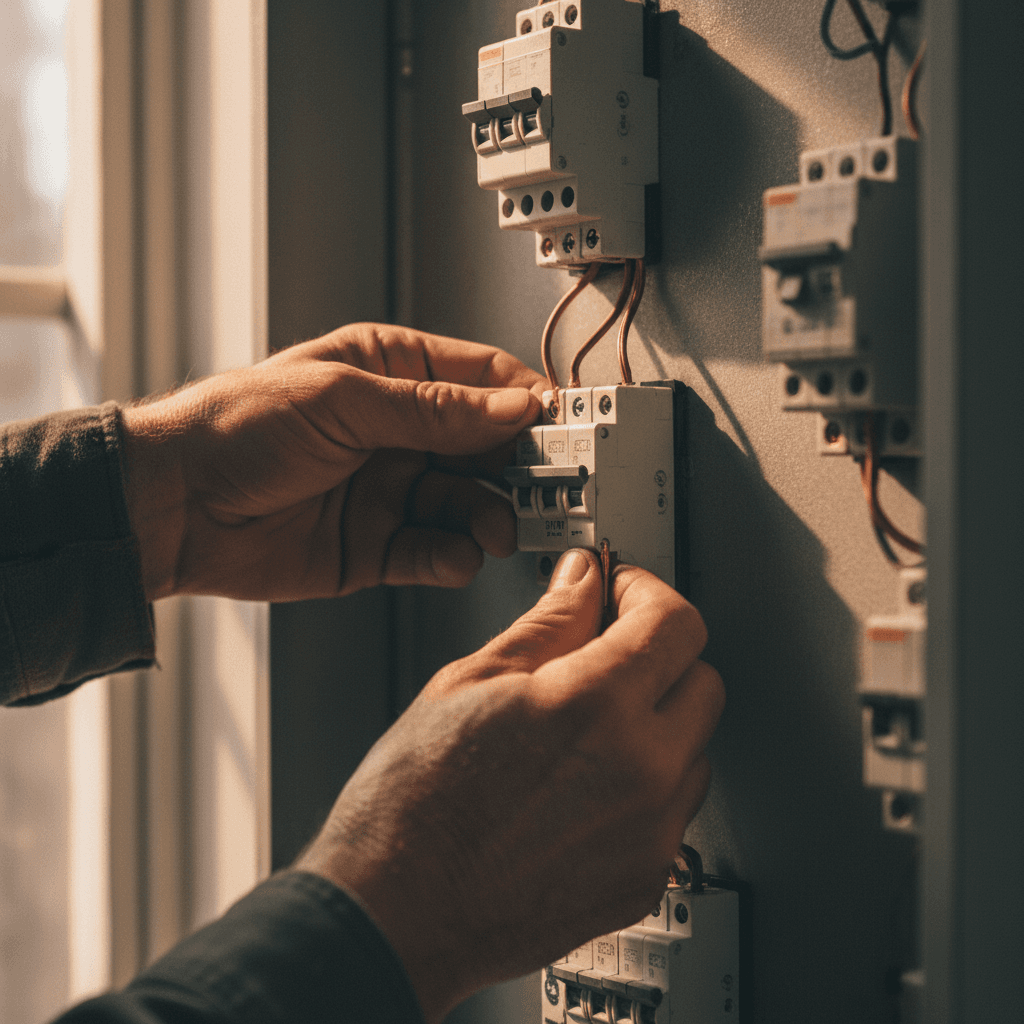
DIY attempts often result in critical safety oversights that a homeowner might not notice until a failure occurs. We frequently encounter residences where improper wire gauges were used for the circuit's amperage or where new fixtures inadvertently overloaded aging breakers. A loose connection tucked inside a lath and plaster ceiling can easily arc, creating a fire hazard that remains hidden behind the finish. Professional installers bring more than just experience; they utilize specialized diagnostic tools to mitigate these risks.
At Keith Electric, we use high precision multimeters and circuit tracers to verify the integrity of your existing system before a single wire is pulled. We perform a thorough load calculation to confirm your service panel can safely handle the new LED array without tripping breakers or overheating the bus bar. This technical verification ensures your modernization project enhances your home’s value without compromising its safety. To schedule a code compliant assessment for your property, contact Keith Electric today.
Modernizing an older Carbon County home with recessed lighting enhances both style and function, but it requires a thorough understanding of vintage wiring and safety standards. Balancing aesthetic goals with electrical requirements is the key to a successful project. If you want expert help navigating these technical challenges, we are ready to assist. You can read more about our team and our commitment to quality service. Our goal is to ensure your home remains safe and well illuminated for years to come.