Professional outdoor security lighting installation requires mounting fixtures between six and ten feet high at entry points and dark areas to eliminate blind spots and deter intruders. Homeowners should prioritize weather-resistant LED or solar-powered options while scheduling regular inspections to verify that sensors and power connections remain serviceable. Combining strategic placement with consistent maintenance creates a reliable safety barrier for any property.
A dark perimeter is more than a minor inconvenience; it is a significant vulnerability for any Carbon County property. When the sun dips behind the high desert peaks, shadows can quickly become hiding spots for unwanted visitors or local wildlife. You need a system that offers more than just illumination. You require a strategic layout that withstands harsh alpine winters and relentless winds. At Keith Electric, we understand that a haphazardly placed floodlight often causes more glare than actual security. In this guide, we will examine the technical nuances of professional installation. We will cover the differences between hardwired and solar systems, the necessity of rigorous weatherproofing, and current cost expectations for 2026. By the end of this article, you will have a clear roadmap for hardening your home against the dark using expert electrical strategies.
Why Strategic Outdoor Lighting Matters in Carbon County
In Price, Helper, and Wellington, the transition into winter brings extended hours of darkness that require more than just a standard porch light. Strategic outdoor security lighting installation serves a dual role; it protects your family from accidental falls on icy paths while actively deterring unauthorized access to your property. During our long Utah winters, a well lit driveway and walkway are necessities for safe navigation when returning home long after the sun has set.
However, effective security is not achieved by simply mounting the brightest bulb available. Poorly aimed fixtures often create harsh glare that blinds the homeowner or creates deep, high contrast shadows where intruders can easily hide. These dark pockets are counterproductive to a secure perimeter. When you utilize professional residential electrical services, you ensure that fixtures are positioned to highlight entry points and paths evenly.
This tactical approach turns light into a tool for surveillance rather than a series of visual distractions. By considering the specific topography of Carbon County lots, from rocky foothills to steep residential driveways, a professional install guarantees that your lighting system remains functional and effective through every season. Proper installation ensures that your property is illuminated in a way that provides clarity for cameras and neighbors without causing light pollution or nuisance glare.
Types of Security Lighting: Hardwired versus Solar Power
Selecting the right power source is the first technical decision in the planning process. Solar powered outdoor security lighting is often tempting for homeowners due to the lack of wiring requirements and low initial equipment costs. However, in Carbon County, these units frequently fail to meet security standards during the winter months. Low-angle sun and heavy snow accumulation on photovoltaic panels prevent batteries from reaching a full charge. This often results in dimmed output or total failure exactly when the nights are at their longest and most dangerous.
For consistent protection, hardwired fixtures connected directly to your home's electrical system are the professional standard. A dedicated circuit ensures that the light triggers every time, regardless of cloud cover or battery degradation. If your home has an older service, you might consider an electrical panel upgrade to accommodate a comprehensive new lighting layout without overloading existing circuits.
Modern outdoor security lighting LED technology has effectively replaced outdated halogen and sodium vapor lamps. LEDs provide superior lumen output while drawing minimal amperage, making them highly cost-effective to operate all night. Unlike older bulbs that struggle to ignite in the bitter cold of a Price January, LEDs perform exceptionally well in freezing temperatures. They provide instant, full-spectrum illumination the moment a motion sensor is triggered, ensuring there is no warm-up period that might allow an intruder to move through a dark zone undetected.
Strategic Placement: The Rule of Thumb for Security Lights

Moving from the technical specifications of the fixture to the physical placement requires an understanding of both geometry and intruder psychology. The primary objective of an outdoor security lighting installation is to eliminate blind spots without creating new ones. To achieve this, fixtures should generally be mounted at a height of 6 to 10 feet. This range is high enough to prevent an intruder from simply reaching up to unscrew a bulb or cut a wire, yet low enough to ensure the beam remains concentrated and effective. When lights are mounted higher than 10 feet, the intensity of the illumination often dissipates before reaching the ground, resulting in a dim, ineffective glow.
Specific "sweet spots" on a Carbon County property offer the highest return on investment for security. These include:
Garage Corners: Mounting a dual-head fixture on a corner allows you to illuminate two sides of the home simultaneously.
Side Pathways: Dark corridors between homes or leading to outbuildings are prime locations for motion sensors.
Rear Entry Points: The back door is a statistically common target for forced entry and requires a dedicated, high-lumen light source.
Homeowners frequently ask if a security camera should be placed above or below a light fixture. In most cases, the camera should be mounted below the light. Placing a camera above a light often results in lens flare or a "white-out" effect, where the light reflecting back into the lens makes the video feed unusable. If your layout requires the camera to be near the light, ensure the camera is offset to the side or utilize fixtures specifically designed to be infrared-compatible. Coordinating these placements during professional residential electrical services ensures that your surveillance and lighting systems work in tandem rather than interfering with one another.
Weatherproofing for High Desert and Alpine Winters
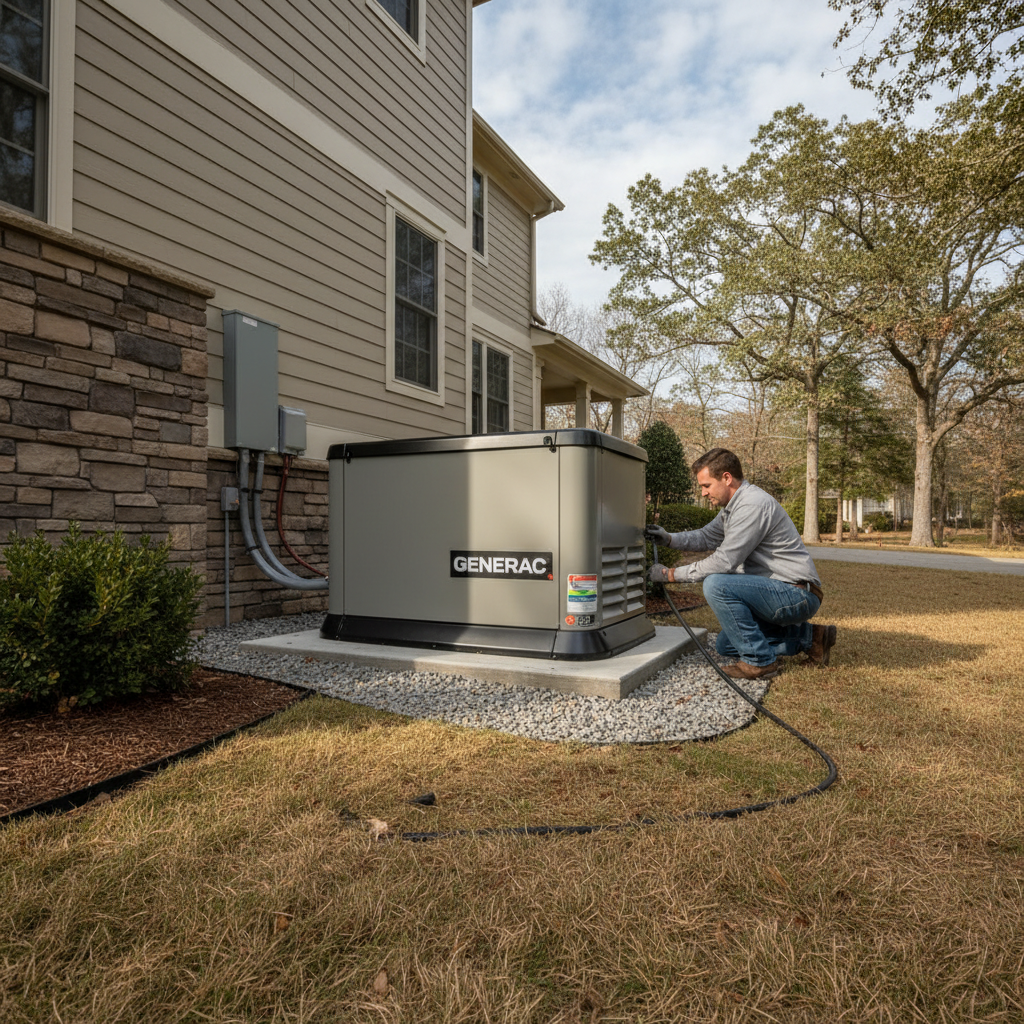
Strategic placement only works if the hardware survives the Carbon County climate. The high desert environment creates unique stress on an outdoor security lighting installation. We regularly see temperature swings exceeding 100 degrees between July and January. This thermal cycle causes electrical components, particularly PVC conduit and rubber gaskets, to expand and contract repeatedly. Over time, these shifts can create microscopic gaps in seals, leading to moisture ingress during the heavy spring snowmelt or sudden summer thunderstorms.
When water enters a junction box, it causes rapid corrosion at wire connections and can trigger a short circuit. Professional installers use high grade silicone sealants and weather rated gaskets to prevent these failures before they start. Furthermore, the extreme cold of an Alpine winter impacts the performance of Passive Infrared (PIR) sensors. These sensors detect heat signatures against the background temperature. In sub zero weather, the increased contrast between a human body and the frozen air can make sensors overly sensitive, causing ghost tripping from small animals or even blowing snow.
To maintain reliability, you may need to manually decrease the sensitivity setting on your fixtures as the seasons change. Ensuring your system is installed according to the latest safety standards, including 2026 NEC GFCI outlet requirements, provides an essential layer of protection against moisture related faults. Utilizing professional residential electrical services ensures that every enclosure is properly torqued and sealed, preventing the internal condensation that often leads to premature LED driver failure in our local climate.
Outdoor Security Lighting Installation Costs in 2026
Beyond hardware selection, budgeting for a professional outdoor security lighting installation involves accounting for the specific infrastructural needs of your property. For a simple fixture replacement, where existing wiring and junction boxes are already in place, labor costs typically fall between $100 and $200 per unit. When homeowners opt for a comprehensive security overhaul involving multiple zones and advanced sensors, total project costs generally range from $2,000 to $4,000.
These figures fluctuate based on the physical labor required to reach optimal mounting locations. Projects often involve running new conduit along exterior walls or trenching through rocky Carbon County soil to reach gate posts and remote walkways. Additionally, if your home’s electrical system is older, an electrical panel upgrade may be necessary to safely support the increased load of a full lighting array.
Choosing a licensed electrician ensures that all work meets current safety codes and withstands the local climate. Using professional residential electrical services guarantees that your investment is protected by proper circuit design and secure connections. This professional oversight prevents the long-term maintenance headaches and safety risks that often stem from amateur or non-compliant installations.
Troubleshooting Common Outdoor Lighting Failures
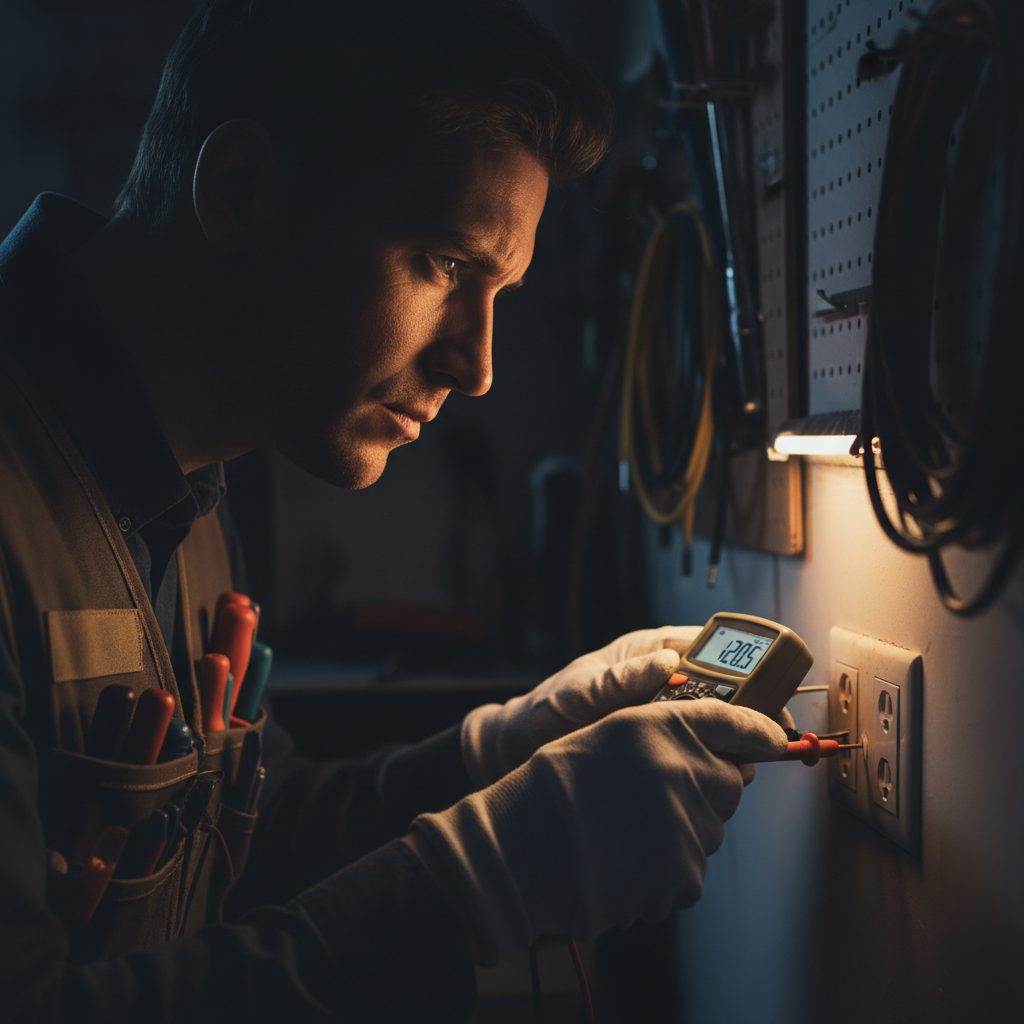
Even with a professional outdoor security lighting installation, the harsh environment of the Carbon County plateau can eventually interfere with electrical performance. When you find yourself asking why an outdoor light is not working, a systematic diagnostic approach can often identify the problem before you assume the fixture needs total replacement.
Follow this checklist to troubleshoot common failures:
Test the GFCI Outlet: Outdoor lighting must be on a protected circuit. Often, these lights are downstream from a GFCI outlet located in a garage or on a porch. Check these outlets to see if a reset is required, especially as local standards align with 2026 NEC GFCI outlet requirements.
Inspect the Breaker: High-wattage surges or weather-related shorts can trip the circuit breaker. Verify the status at your main electrical panel. If the breaker trips immediately after being reset, do not force it; this indicates a direct short circuit.
Clean the Photocell and Sensors: Carbon County dust and winter frost can coat the optical sensors. A photocell covered in grime may think it is always night, while a dirty motion sensor lens might fail to detect movement. Use a soft, damp cloth to clear these components.
Check for Failed LED Drivers: Unlike traditional bulbs, modern integrated LEDs rely on an internal driver to convert power. If the fixture is receiving power but stays dark or flickers rapidly, the driver has likely failed due to age or heat stress.
Intermittent operation is frequently caused by loose wiring or moisture ingress. In Utah, extreme thermal expansion can cause wire nuts to loosen over time. If your lights only fail during heavy snowmelt or high winds, moisture is likely entering the junction box. While cleaning a sensor or resetting a breaker is a safe DIY task, internal wiring repairs or driver replacements should be handled through professional residential electrical services. If basic troubleshooting fails, a professional can determine if the issue is limited to the fixture or if it signals the need for a more significant electrical panel upgrade to handle the load safely.
Effective outdoor security lighting involves more than just mounting a floodlight; it requires strategic placement and durable weatherproofing to withstand the elements here in Carbon County. While planning your own layout is a great first step, professional installation ensures your system remains reliable and efficient year round. If you want expert help with your next project, you can learn more about Keith Electric and our commitment to quality service. We are here to help you create a safer and more secure home environment.