Investing in whole home surge protection Carbon County is worth it because it shields your entire electrical system, high-end appliances, and sensitive devices from damaging power spikes. This proactive measure prevents costly repairs and enhances safety by reducing fire risks associated with electrical overloads; it ensures your home remains protected against both external and internal surges.
Carbon County homeowners know the sinking feeling when the lights flicker during a storm or an unexpected grid shift occurs. One sudden voltage spike can instantly ruin your smart fridge, home office setup, or high-efficiency HVAC system. While many residents rely on basic power strips, these small devices offer little defense against the significant surges common in our local power grid. At Keith Electric, we believe in proactive protection rather than expensive repairs. This guide explores why local homes face unique electrical risks and how whole-home surge protection serves as a critical insurance policy for your electronics. You will learn about the real costs and ROI of professional installation in 2025, the reality of lightning protection, and the current electrical code requirements. Investing in your home's safety starts with understanding the hidden dangers of the modern grid.
Understanding Whole Home Surge Protection for Utah Homeowners
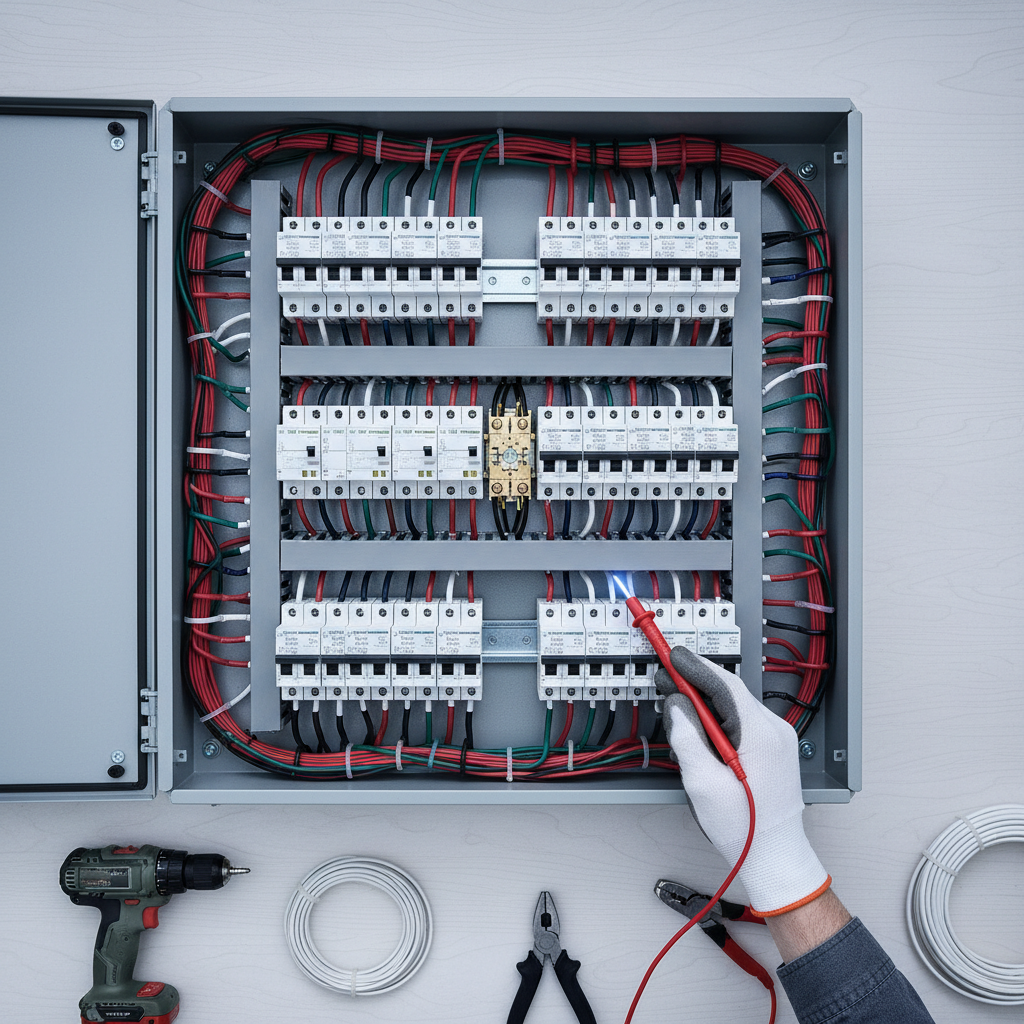
Most Utah homeowners are familiar with standard power strips, which are technically classified as Type 3 surge protectors. While these are useful for a desktop computer or a television, they only protect the specific devices plugged into that single outlet. A comprehensive whole home surge protection Carbon County strategy requires a more robust solution that guards every circuit in the house, including those that power hardwired appliances like your HVAC system, electric oven, and water heater.
There are two primary categories of professional surge protective devices (SPDs) used in residential settings:
Type 1 SPDs: These are installed at the meter base, between the utility pole and the main breaker. They act as a heavy duty first line of defense against massive external surges from the grid or utility fluctuations.
Type 2 SPDs: These are panel mounted units installed on the load side of the main breaker. These are the most common choice for residential electrical services because they protect against both external surges and the frequent, smaller spikes generated by large appliances cycling on and off within the home.
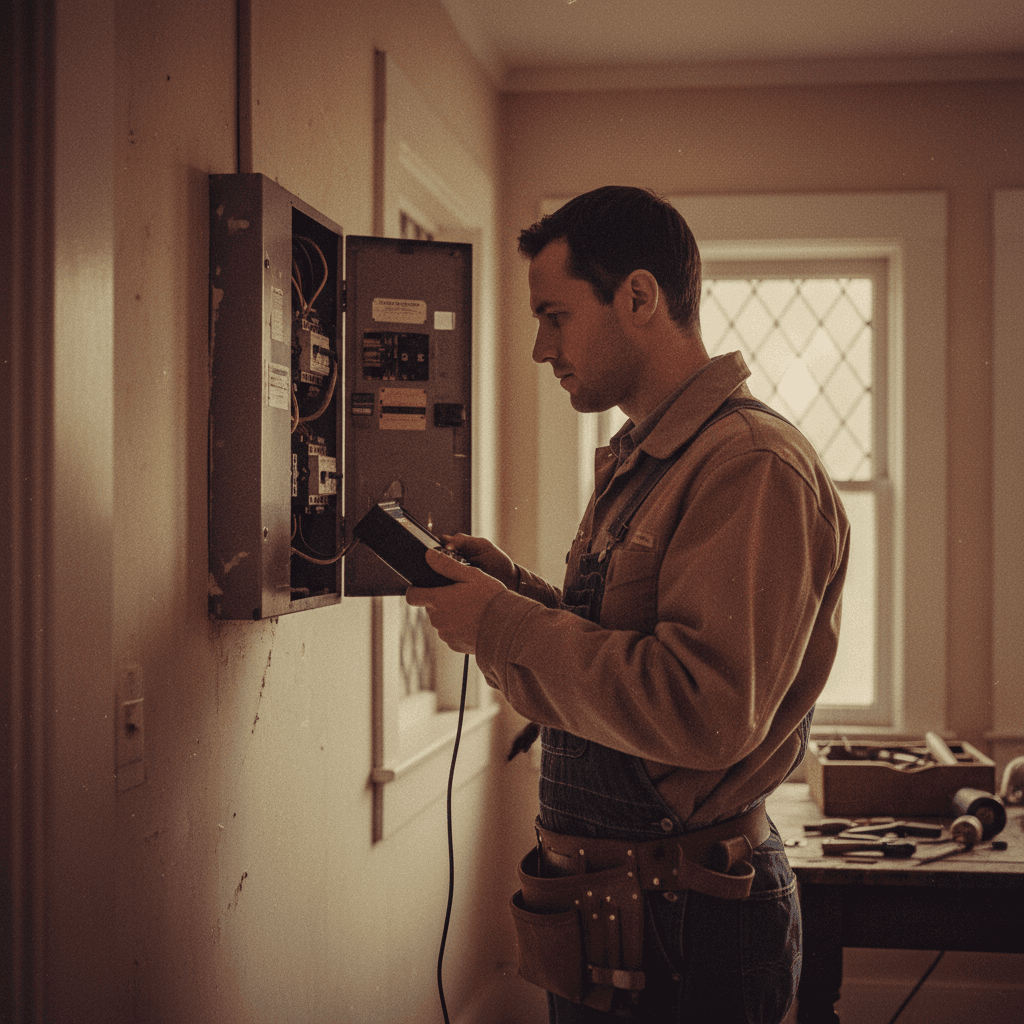
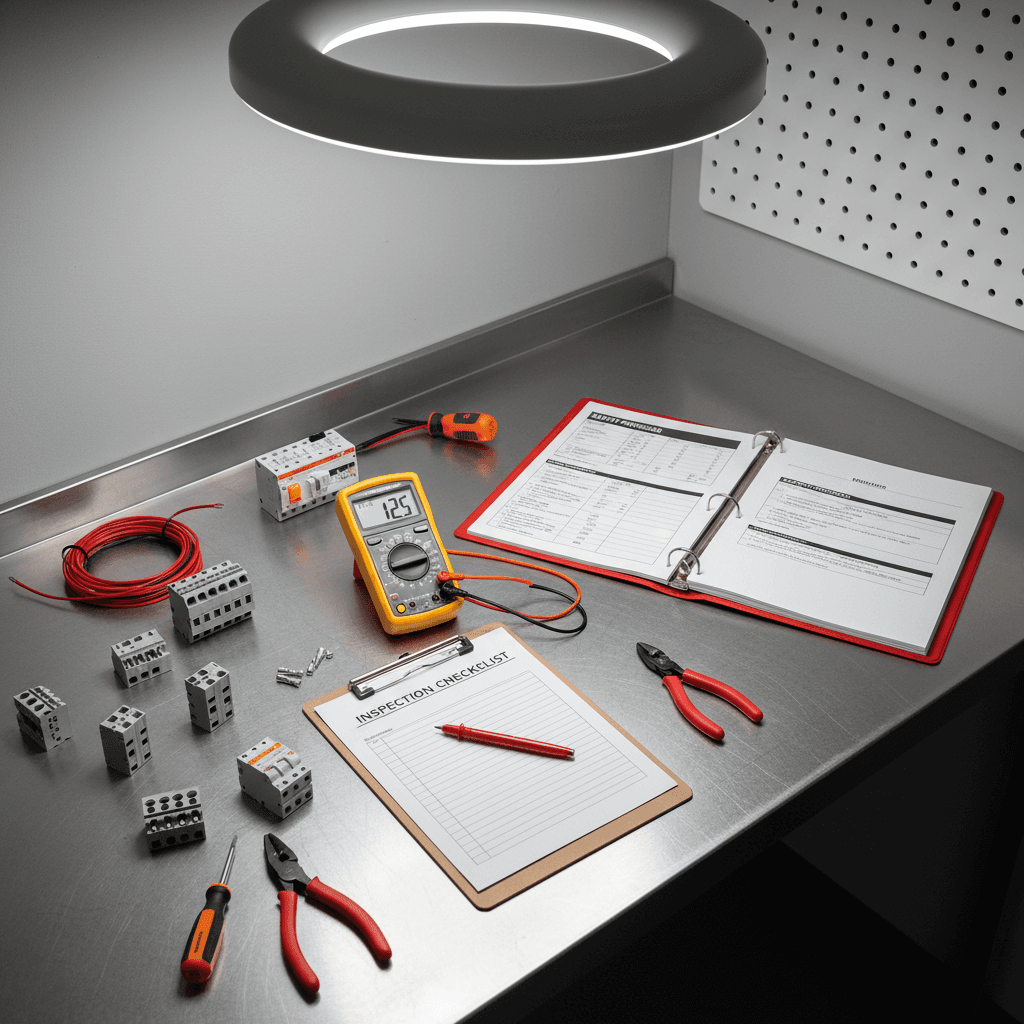
By installing an SPD at the source, you ensure that excess voltage is diverted to the ground wire before it can reach the sensitive control boards found in modern equipment. Keith Electric utilizes modern diagnostic tools and proven installation methods to integrate these devices seamlessly into your existing service panel. This professional approach ensures that the SPD is properly bonded and grounded, which is critical for the device to function effectively during a surge event. Ensuring your system meets current standards is a key part of maintaining Carbon County electrical safety.
Why Carbon County Homes Face Unique Electrical Risks

Living in Carbon County presents specific challenges that homeowners in more urbanized regions of Utah rarely encounter. Our local geography, characterized by high desert plateaus and rugged mountain ranges, creates a prime environment for frequent lightning activity. During summer monsoon seasons, storms moving through the Book Cliffs or the Wasatch Plateau often result in intense cloud to ground strikes. When lightning hits a utility pole or a transformer near Price, Helper, or Wellington, that massive influx of energy follows the path of least resistance directly into local residential service lines. This external pressure makes whole home surge protection Carbon County homes can rely on a critical safety layer.
Beyond weather events, the nature of our rural power grid contributes to electrical instability. Rural infrastructure often involves longer spans of overhead lines which are more susceptible to high winds, ice accumulation, and wildlife interference. These environmental stressors lead to frequent grid fluctuations and momentary outages. Each time the power dips or returns after a localized failure, a surge can ripple through your home wiring. While larger urban centers often have more redundant grid paths to stabilize voltage, rural systems can experience more inconsistent voltage levels that stress sensitive electronics.
It is also important to distinguish between these external threats and internal surges. While a downed line near Wellington is a dramatic event, a significant portion of surges actually originate from within your own home. In many Carbon County residences, large appliances such as well pumps, HVAC compressors, and workshop tools draw significant current when they cycle on. These start up spikes send smaller, high frequency surges back through your circuits. Over time, these internal fluctuations degrade the insulation in your wiring and damage the microprocessors in modern appliances. If you notice lights flickering when the AC kicks on, it is a sign that your system is experiencing these spikes and you should contact a local electrician to evaluate your current protection levels. Ensuring your home is prepared for both external and internal events is a vital step in maintaining Carbon County electrical safety.
The Real Cost of Power Surges: Appliances and Sensitive Electronics
The true financial risk of a power surge is rarely a single, dramatic event that leaves a house in the dark. Instead, for most Carbon County residents, the cost accumulates through the gradual destruction of sensitive circuitry. Modern homes in 2025 and 2026 are increasingly filled with high-value technology that functions more like a computer than a traditional appliance. These sophisticated systems require stable voltage to operate correctly. Consider the replacement costs for current household essentials:
Smart refrigerators with integrated touchscreens and Wi-Fi modules.
Level 2 EV chargers and the sensitive battery management systems in the vehicles themselves.
High-efficiency heat pumps and variable-speed HVAC controllers.
Advanced home office setups including 4K monitors, docking stations, and network storage devices.
These devices rely on microprocessors that are extremely vulnerable to micro-surges. These are small, repetitive voltage spikes that occur dozens of times a day, often unnoticed. While a micro-surge might not cause an immediate failure or a visible spark, it causes incremental damage to internal components. Over months or years, this cumulative stress shortens the lifespan of your equipment, leading to premature failure and thousands of dollars in avoidable replacement costs.
Investing in whole home surge protection Carbon County homeowners can trust changes the focus from reacting to disasters to ensuring long-term hardware health. By filtering out these consistent, smaller spikes, you protect the delicate control boards in your residential electrical services installations. Moving beyond the fear of a single lightning strike and focusing on long-term protection ensures that your home’s most expensive assets remain functional for their intended lifespan. To evaluate your current protection levels, it is best to contact a local electrician for a professional assessment.
Whole House Surge Protector Installation: Costs and ROI for 2025
Evaluating the financial side of whole home surge protection Carbon County homes require involves comparing a modest one time expense against the staggering replacement costs of modern electronics. For most residential properties, a professional installation typically ranges from $300 to $800. This price includes both the heavy duty surge protective device and the expert labor required to integrate it safely into your service panel.
When you look at the return on investment, the numbers are compelling. A single major surge can cause $5,000 to $10,000 in damages to essential systems like your HVAC, smart refrigerator, and laundry suite. Beyond avoiding repair bills, many insurance providers now recognize the preventative value of these devices, often offering premium discounts for homes with documented, professionally installed protection.
In the 2025 and 2026 electrical landscape, surge protection is shifting from an optional upgrade to a standard necessity. As more homeowners invest in residential electrical services such as panel upgrades or EV charger installations, these devices are becoming a baseline requirement for code compliance. Choosing to contact a local electrician for this installation ensures your home stays ahead of these evolving standards. Ultimately, the small upfront cost acts as a long term insurance policy for your home’s infrastructure, contributing significantly to overall Carbon County electrical safety.
Does It Actually Work Against Lightning?
One of the most common questions we receive is whether a surge protector can stop a lightning strike. The honest answer is that no residential device can fully withstand a direct hit. If lightning strikes your roof or chimney directly, the sheer volume of energy, often exceeding millions of volts, can jump across circuits and bypass protection entirely. However, direct hits are statistically rare compared to the much more common secondary surge.
Most electrical damage during the storm season in Price or Helper comes from these secondary surges. These occur when lightning strikes a nearby utility pole or the ground several blocks away. The resulting energy travels through the utility lines and enters your home at a high velocity. Systems designed for whole home surge protection Carbon County are specifically engineered to catch these "near-miss" surges. They function by detecting the voltage spike and instantly diverting the excess energy to your home's grounding system before it can reach your main breaker.
By utilizing professional residential electrical services, you ensure the device is bonded correctly to the earth ground; this is the only way the energy has a safe path to exit. Without this protection, even a strike a mile away can send enough current through the grid to fry a motherboard. If you have concerns about your current setup, you should contact a local electrician to verify your grounding integrity. This remains a foundational element of Carbon County electrical safety.
Electrical Code Requirements and Professional Installation
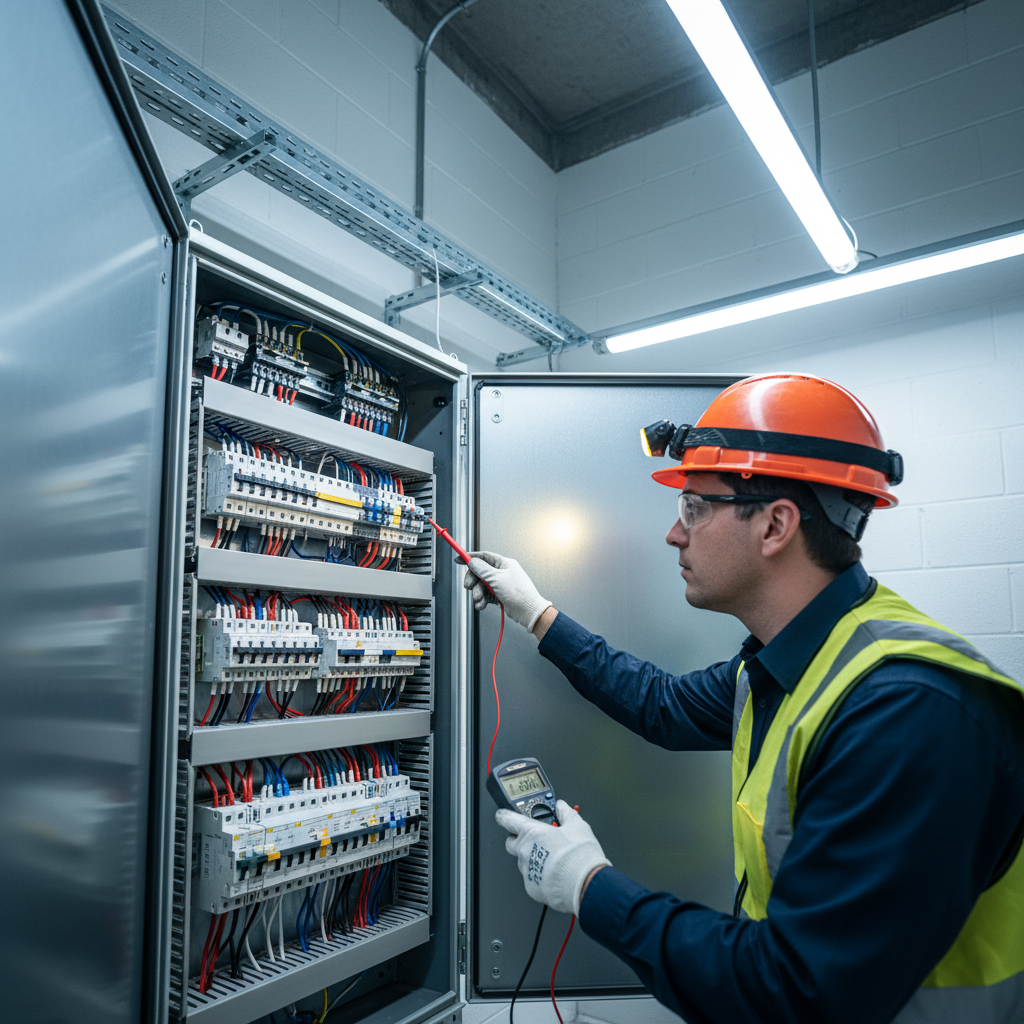
The National Electrical Code (NEC) now reflects the reality of modern electrical needs. Recent updates, specifically starting with the 2020 edition and continuing through the 2023 and 2025 standards, require surge protective devices for all new residential construction and service equipment replacements. This shift indicates that whole home surge protection Carbon County installations are no longer just an optional upgrade; they are a fundamental safety standard for any modern property.
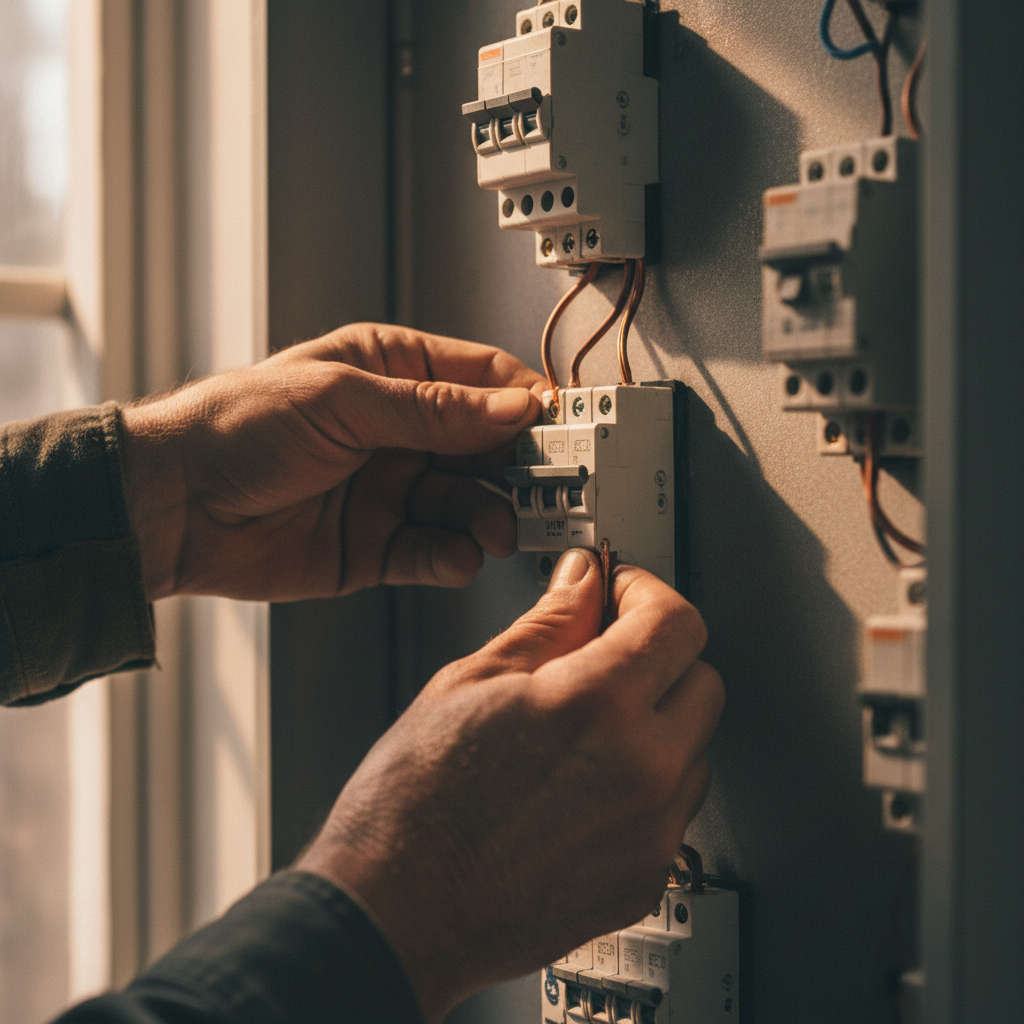
Installing these devices is strictly professional work and never a DIY project. The process involves working inside the main service panel, often on the line side of the main breaker where high voltage is always present. Beyond the immediate physical danger, the effectiveness of an SPD relies entirely on a low-resistance grounding path. If the grounding system is outdated or improperly bonded, the surge protector will have nowhere to divert the excess energy, rendering the unit virtually useless during a spike.
Keith Electric ensures that every installation meets these rigorous code requirements. Our team uses modern diagnostic tools to verify grounding integrity and secure the SPD with proper lead lengths to maximize response time. By prioritizing code-compliant workmanship and Carbon County electrical safety, we provide a reliable barrier for your home. To ensure your system meets current standards during your next upgrade, you should contact a local electrician for professional residential electrical services.
Ultimately, surge protection is a proactive investment that safeguards your appliances and provides lasting peace of mind. While the technical details can be overwhelming, ensuring your home is shielded from unpredictable power spikes is a vital step for any homeowner. If you want expert help choosing the right system for your needs, the team at Keith Electric is available to provide guidance. You can learn more about us and our dedication to providing quality electrical services. We are here to help you protect what matters most.