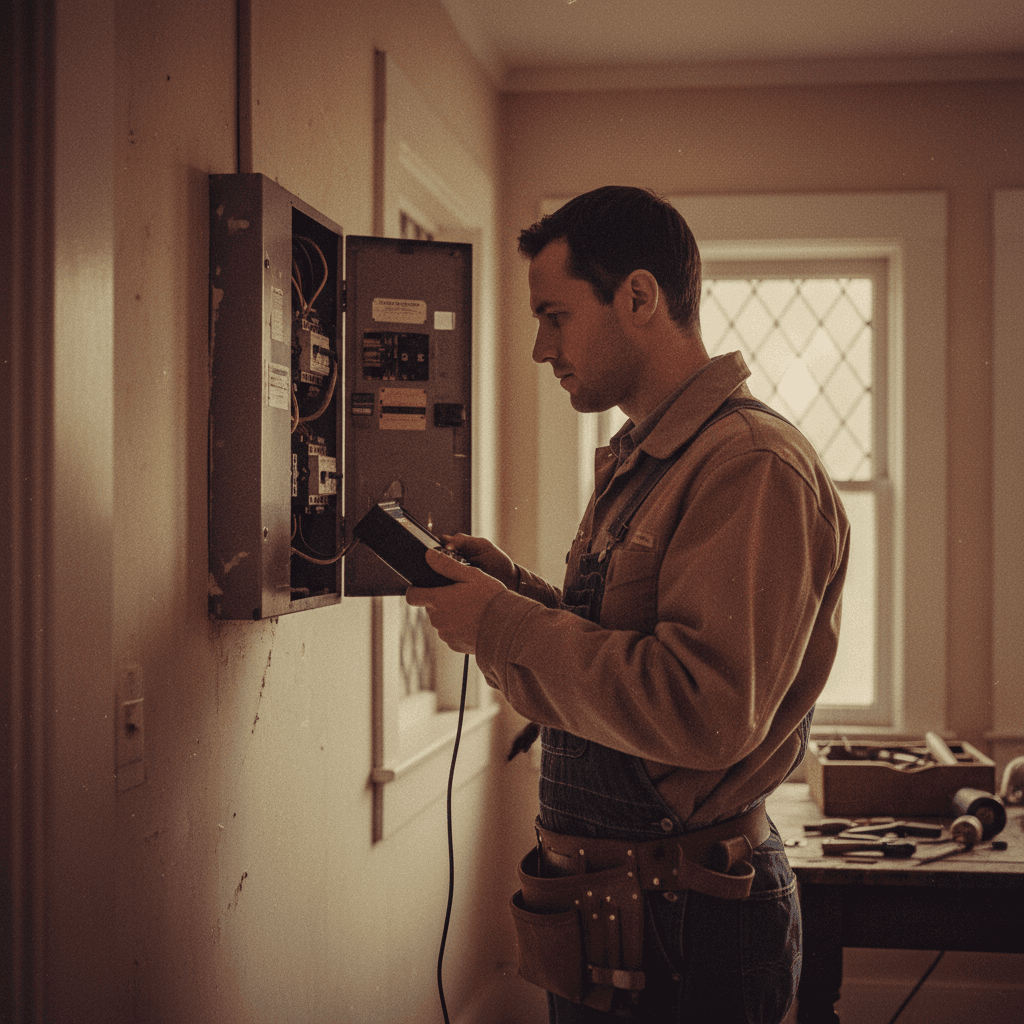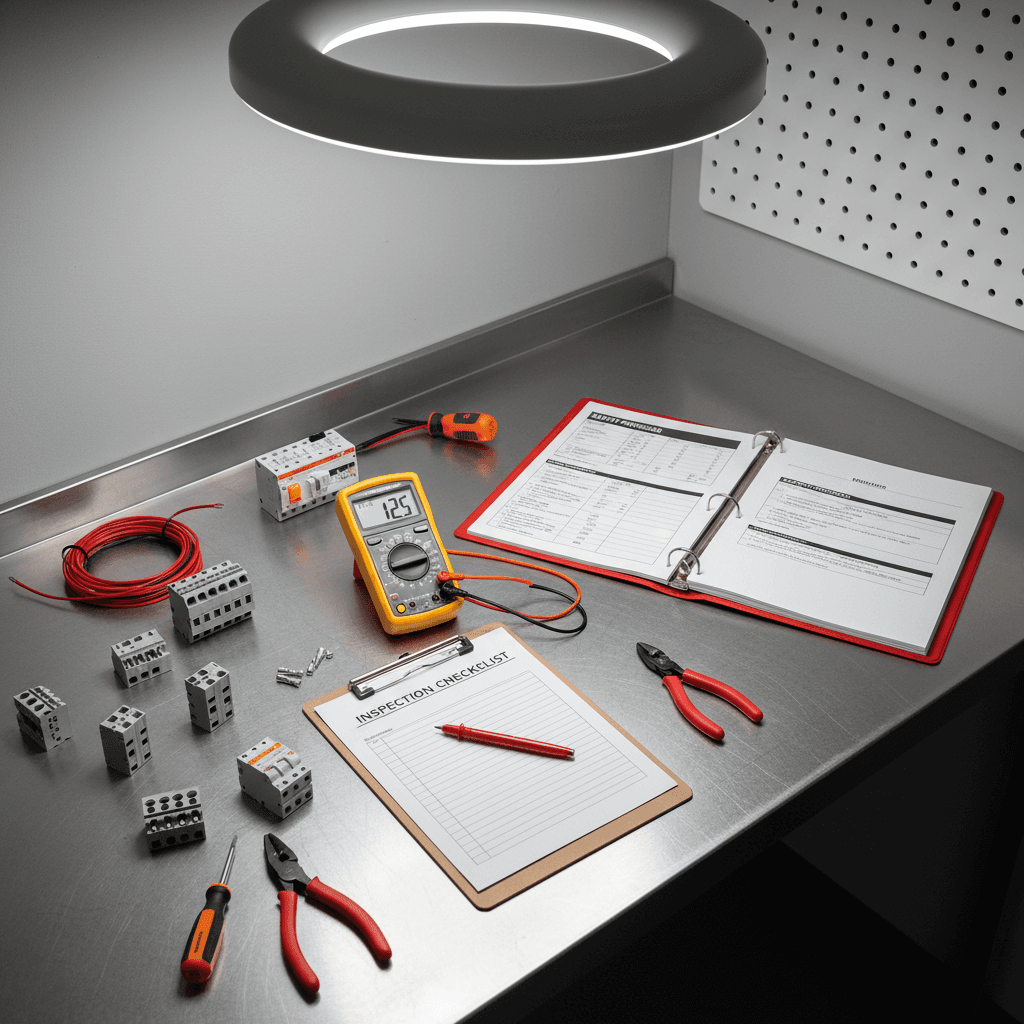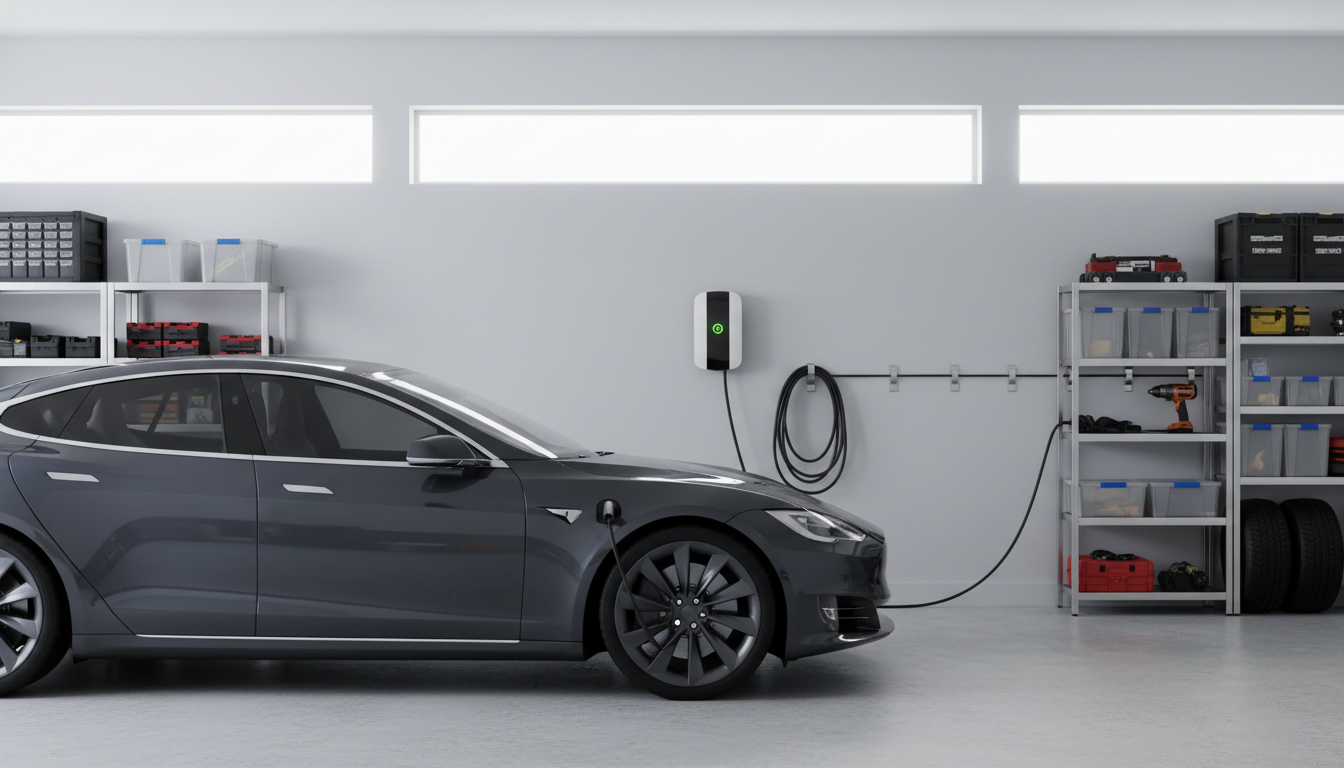
Home EV charger installation typically requires a dedicated 240V circuit and costs between $500 and $2,000 depending on hardware choice and necessary electrical panel upgrades. Homeowners should prioritize Level 2 stations for efficient charging and must secure local permits to ensure the setup complies with all safety regulations.
Plugging your new electric vehicle into a standard wall outlet often feels like trying to fill a swimming pool with a garden hose. For Carbon County homeowners, this slow pace is not just a minor inconvenience, it is a barrier to the full utility of your investment. A professional Level 2 charger installation transforms your garage into a high performance refueling station, but the process involves more than just mounting a box to the wall. You must account for load calculations, panel capacity, and local building codes to ensure your home remains safe. This guide provides a clear roadmap through the technical requirements, including whether your 200 amp service is sufficient. We also break down current Utah incentives and the specific costs you can expect when upgrading your home infrastructure for the future of transportation.
The Rise of Electric Vehicles in Carbon County
Electric vehicle adoption across Utah is no longer just a trend for the Wasatch Front. Residents in Price, Helper, and Wellington are increasingly switching to electric for their daily commutes and mountain drives. Looking toward 2026, real estate market trends show that buyers prioritize properties already designated as EV-ready. This means homes with the infrastructure to support fast charging are becoming the standard rather than the exception.
While public charging stations are appearing in more local parking lots, the most convenient and cost-effective way to fuel these vehicles is through a dedicated home EV charger installation. This guide aims to help homeowners navigate the specific technical and financial hurdles of upgrading their residential systems. We will break down the requirements for a 240-volt circuit, the potential need for an electrical panel upgrade to handle the increased load, and the realistic costs associated with professional labor in Carbon County. Our goal is to provide a clear, code-compliant roadmap for modernizing your home infrastructure.
Level 1 vs Level 2 Charging: Why the Upgrade Matters
Most electric vehicles include a portable Level 1 charging cord that plugs into a standard 120-volt household outlet. While convenient, this method is better suited for emergency backups than daily use. Level 1 charging typically adds only 3 to 5 miles of range per hour. For a local resident driving between Price and Castle Dale, this slow rate cannot keep pace with daily mileage requirements; a full recharge could take several days rather than a single night.
A professional home EV charger installation upgrades your capacity to a 240-volt system, similar to what powers a clothes dryer or electric range. This shift in voltage allows for significantly faster energy delivery, typically providing between 25 and 60 miles of range per hour. For commuters navigating the long stretches between Carbon and Emery counties, Level 2 charging is essential. It transforms your garage into a high-speed fueling station, ensuring your vehicle is fully replenished by morning. This level of reliability is the primary reason homeowners invest in specialized electrical services to modernize their garage infrastructure.
Technical Requirements for a Home EV Charger Installation
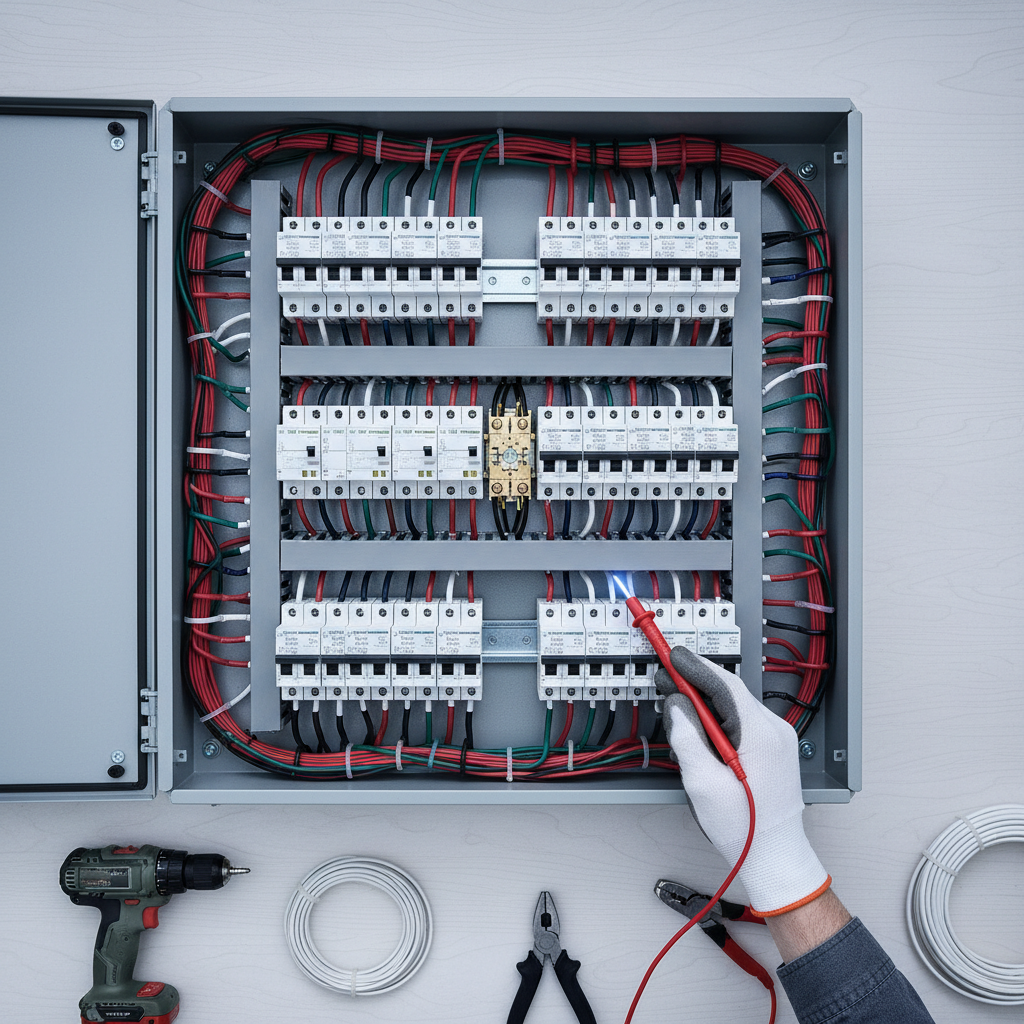
Moving to Level 2 requires a dedicated 240-volt circuit installed from your main panel to your charging location. This setup supports the high-amperage, continuous load that EV batteries demand. A common question we answer is, "What size breaker for a 240V EV charger?" The answer depends on your hardware and desired charging speed, governed by the National Electrical Code (NEC) 80 percent rule for continuous loads.
Circuit Breaker Size | Maximum Charging Rate | Connection Type |
|---|---|---|
50 Amp | 40 Amps | NEMA 14-50 Outlet (Plug-in) |
60 Amp | 48 Amps | Hardwired Unit |
A 50 amp breaker is the standard choice for NEMA 14-50 plug-in units, which are popular for their versatility. However, if you want the fastest home charging possible, a 60 amp breaker paired with a hardwired station allows for a 48 amp delivery. This slight jump in amperage can significantly reduce charging times for vehicles with larger battery packs.
Beyond the breaker, the physical integrity of the installation is paramount. Because EVs pull maximum power for eight hours or more, any resistance in the circuit creates dangerous heat. We utilize high-quality copper wiring, typically 6 AWG, and strictly adhere to manufacturer torque specifications on all terminals using calibrated tools. This prevents the heat buildup that leads to melted components or fire hazards in substandard setups. When providing electrical services for a home EV charger installation, our team prioritizes these thermal dynamics to ensure your home remains safe while your vehicle stays powered.
Is 200 Amp Service Enough for an EV Charger?
Determining if your current electrical system can support a home EV charger installation begins with identifying the main service rating, usually found on the main breaker at the top of your panel. While 200 amp service is typically sufficient for modern residential needs, many older homes in Carbon County, especially in the historic districts of Price and Helper, still operate on 100 amp or 125 amp service.
Adding a 50 or 60 amp circuit for an EV charger represents a substantial increase in demand. Because an EV charger is considered a continuous load, it draws high current for many hours at a time. If a home already supports an electric range, a water heater, and central air conditioning, a 100 amp panel likely lacks the overhead to safely accommodate the charger. Pushing a panel beyond its calculated limit risks overheating the busbars or causing the main breaker to trip frequently.
We perform a formal load calculation to evaluate the existing demand versus the available capacity. This process ensures the new circuit meets safety standards without compromising your home's electrical integrity. If the math indicates your current system is at its limit, an electrical panel upgrade to 200 amp service is the most reliable solution to provide the necessary headroom for modern charging technology.
Cost Breakdown for Carbon County Homeowners
Budgeting for a home EV charger installation involves three primary financial components. The first is the hardware itself. Most homeowners in Price or Helper select a Level 2 unit ranging from $350 to $800. Smart chargers with Wi-Fi connectivity and energy monitoring features sit at the higher end of that scale, while basic, reliable units are more affordable.
The second component is the professional labor and materials, which typically costs between $700 and $1,500 for a standard setup. This includes the cost of specialized 6 AWG copper wire, heavy duty conduit, and the local permit fees. In Carbon County, permitting is generally more straightforward than in larger metropolitan areas, but it remains a non-negotiable step. A recorded inspection validates that the work meets the National Electrical Code, which is vital for maintaining your homeowner’s insurance coverage.
Expense Category | Typical Local Cost Range |
|---|---|
Charger Hardware | $350 to $800 |
Labor, Wire, and Conduit | $700 to $1,500 |
electrical panel upgrade (if required) | $1,500 to $3,000 |
If your home requires an electrical panel upgrade to accommodate the new load, expect to add $1,500 to $3,000 to the project total. While these upfront costs are an investment, Carbon County residents often find our local electrical services are more cost-effective than national averages, where labor rates in major cities drive totals higher. For a precise estimate tailored to your garage layout, Contact Keith Electric for a site evaluation.
Utah Incentives and Federal Tax Credits
Homeowners can significantly offset their initial investment through several financial programs designed to encourage the transition to electric transport. The most prominent is the Federal Alternative Fuel Vehicle Refueling Property Tax Credit, which allows you to claim 30 percent of the total cost for hardware and professional labor, capped at $1,000. Because Carbon County is often categorized as a non-urban area, many local properties qualify for this incentive, making the transition to a Level 2 system more affordable.
Locally, Rocky Mountain Power provides incentives through their Wattsmart program. These rebates specifically target the installation of smart chargers that allow the utility to manage grid load during peak times. Qualifying residents may receive a one-time rebate to help cover the cost of high-quality electrical services. To successfully claim these credits, documenting a permit and professional installation is mandatory. Most programs require proof that the work was performed by a licensed electrician to ensure the system meets safety standards. For help navigating the documentation required for these rebates, Contact Keith Electric for a detailed invoice and project summary.
Safety and Code Compliance in Carbon County
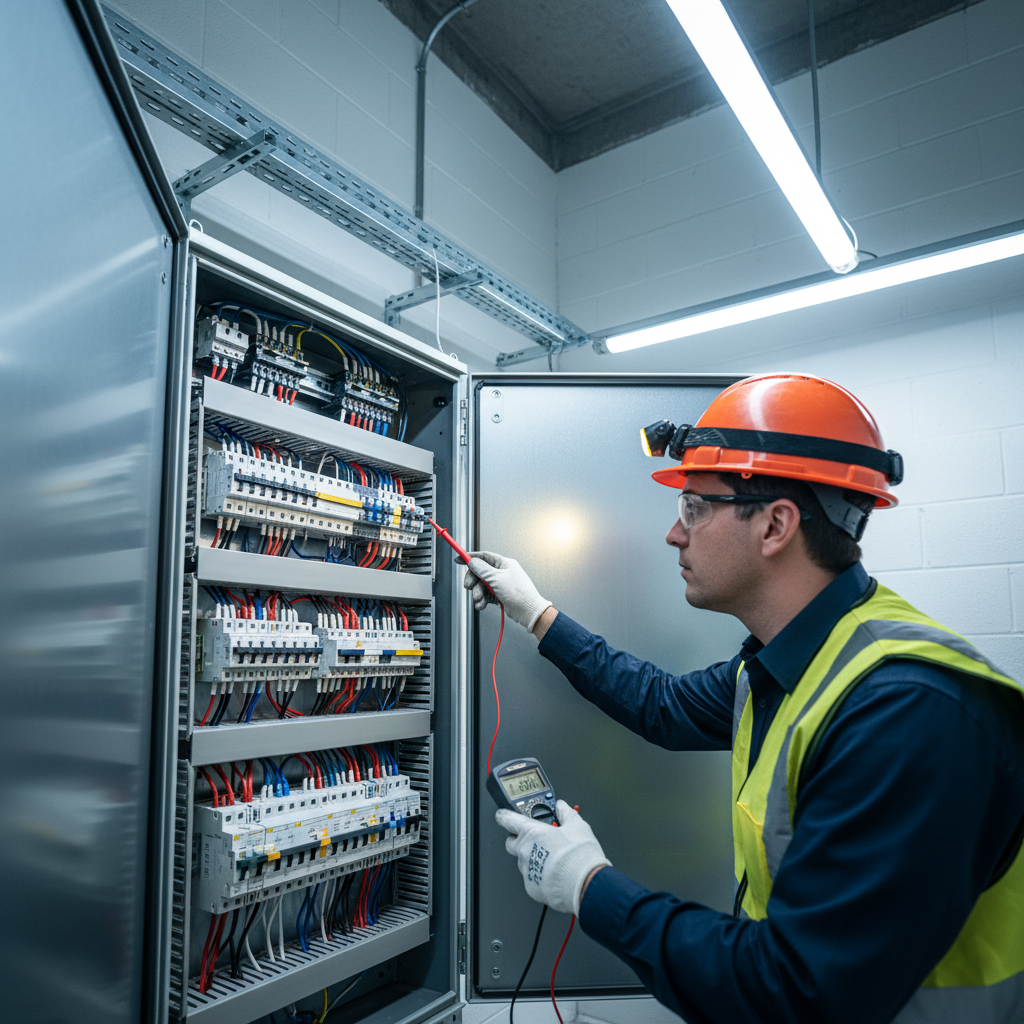
Attempting a home EV charger installation without professional training introduces significant risks. Unlike a standard household appliance that runs for minutes, an electric vehicle draws high current for several hours at a time. This continuous load puts unique stress on every component in the circuit. If a wire is undersized or a connection is not torqued to exact manufacturer specifications, the resulting heat buildup can melt insulation or ignite a fire.
Current safety standards for 2026 emphasize enhanced GFCI protection to prevent shocks in garage and outdoor environments. Local building codes in Carbon County require formal permits and inspections for new 240-volt circuits. These inspections serve as a critical safety net, ensuring the work complies with the National Electrical Code. Utilizing professional electrical services guarantees that your system is resilient enough to handle sustained amperage. Failure to follow these codes can lead to insurance claim denials or equipment failure. For a system that prioritizes fire prevention, Contact Keith Electric to handle the technical details and inspection requirements.
What to Expect During Your Installation Appointment
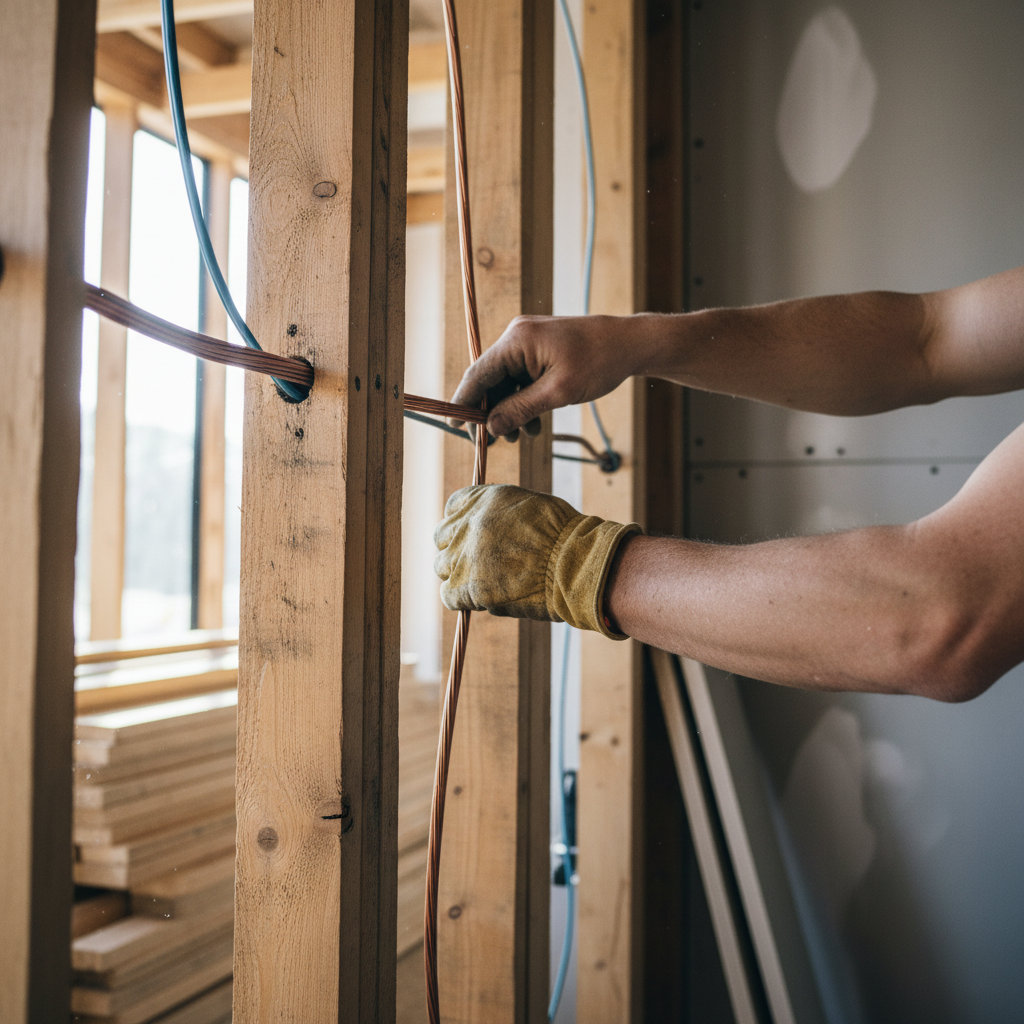
A standard installation begins with a comprehensive load assessment to confirm your system's real-time capacity before any wires are pulled. We conduct a site walkthrough to determine the most efficient placement for your lifestyle; we evaluate garage configurations versus weatherproof driveway installations to minimize cable strain. Our team then routes the specialized conduit and high-gauge wiring from your panel to the charging unit, ensuring every turn and fastener meets local building codes.
The final stage involves panel integration and rigorous safety testing. We use diagnostic meters to verify the circuit handles the intended load without voltage drops or overheating. While more complex projects involving an electrical panel upgrade may take longer, most standard home EV charger installation projects in Price or Helper are completed within 4 to 6 hours once permits are in hand. These professional electrical services ensure your new equipment is ready for its first full charge immediately. Contact Keith Electric to schedule your site evaluation and begin the upgrade process.